Imagine discovering a hidden island paradise where crystal-clear waters lap against pristine shorelines, towering trees shelter secret hiking trails, and families create lifelong memories without traveling beyond Minnesota’s borders. You’re not fantasizing about tropical destinations requiring expensive flights—you’re experiencing Big Island Minnesota, a remarkable Lake Minnetonka treasure that transforms ordinary weekends into extraordinary lakeside adventures just minutes from Twin Cities suburbs.
Whether you’re searching for the perfect waterfront dining experience, planning peaceful nature walks through protected forests, hoping to explore unique island communities that feel worlds away from urban chaos, or simply craving fresh air and stunning lake views that refresh your spirit, this special destination delivers experiences connecting you with Minnesota’s natural beauty and rich recreational heritage. This unique island combines wilderness character with modern conveniences, creating an accessible retreat where stressed adults find tranquility and families discover simple joys that don’t require screens or schedules.
This guide reveals everything about visiting and enjoying this Minnesota gem that locals treasure year-round.
Discovering Big Island Minnesota Geography and Location
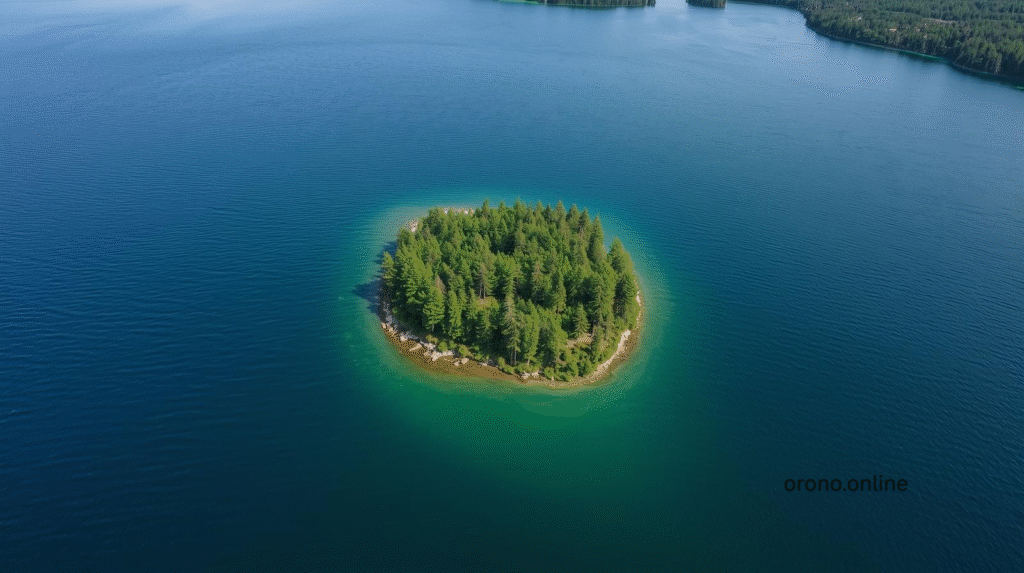
Big Island Minnesota sits within Lake Minnetonka’s expansive waters in the western Twin Cities metropolitan area, approximately 20 miles from downtown Minneapolis. This unique island location creates distinctive character that sets it apart from typical lakeshore communities, offering visitors genuine island experiences without requiring boat transportation for access.
A causeway connects the landmass to mainland Orono, enabling convenient vehicle access that makes Big Island Minnesota easily reachable for day trips, dinner outings, or extended stays. This accessibility combined with island atmosphere creates rare opportunities to enjoy remote feelings while maintaining practical connections to metropolitan amenities.
The island spans several hundred acres, with portions dedicated to protected natural areas, residential neighborhoods, and commercial establishments including restaurants and recreational facilities. This mixed-use character means visitors find both wilderness hiking and waterfront dining within short distances.
Lake Minnetonka’s geography surrounding Big Island Minnesota reflects glacial activity shaping Minnesota landscapes thousands of years ago. Ancient ice sheets carved the irregular shorelines, deep basins, and rolling terrain that create such diverse habitats supporting rich ecological communities throughout the lake region today.
Dining and Entertainment on Big Island Minnesota
The island’s restaurant scene attracts visitors from across the Twin Cities seeking memorable meals with stunning water views that elevate dining into complete experiences rather than simply eating occasions.
Lord Fletcher’s Restaurant
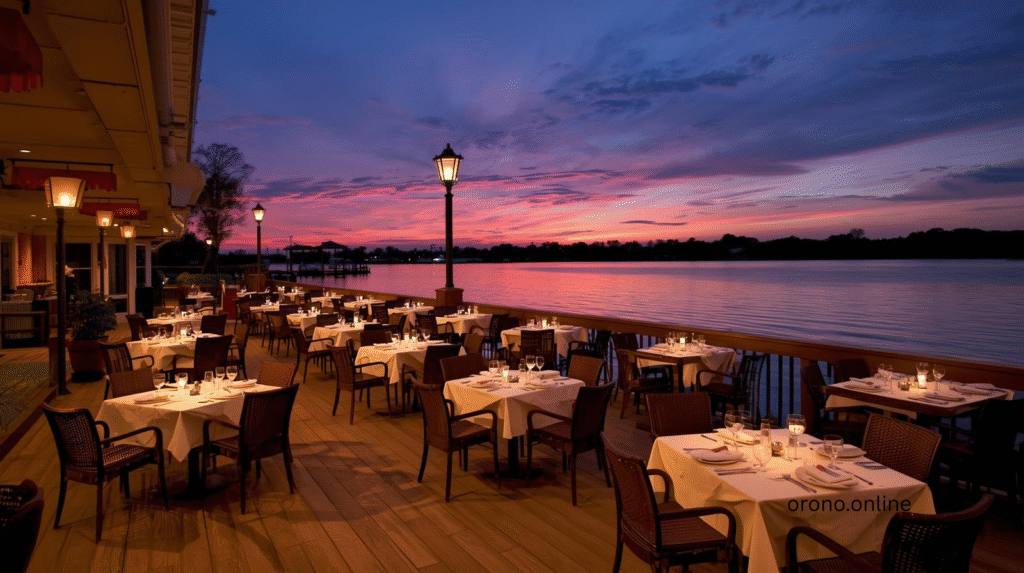
Lord Fletcher’s stands as an iconic Big Island Minnesota establishment, serving generations of diners seeking classic American fare paired with unbeatable lake views. The restaurant’s expansive decks enable outdoor dining during warm months, with sunset views painting water in brilliant colors that create romantic ambiance.
The casual atmosphere at this Big Island Minnesota landmark welcomes families, couples, and friend groups seeking quality food without pretentious formality. Menu offerings range from fresh walleye to juicy burgers, ensuring everyone finds satisfying options regardless of culinary preferences or dietary restrictions.
Live music during summer weekends adds entertainment value at this Big Island Minnesota destination, with bands performing on outdoor stages while boats navigate past and diners enjoy meals under open skies. These musical events create festive atmospheres that transform ordinary dinner outings into memorable celebrations.
Waterfront Bar and Dining Scene
The waterfront establishments on Big Island Minnesota cater to boaters arriving by water, with dock space enabling patrons to tie up vessels while enjoying meals or drinks before continuing lake explorations. This boat-accessible dining creates unique social scenes where water-based recreation and culinary experiences intersect.
The bar scene on Big Island Minnesota attracts younger crowds seeking lively atmospheres, craft cocktails, and social opportunities that suburban chain restaurants cannot replicate. Outdoor patios fill with groups enjoying summer evenings, their conversations and laughter creating vibrant energy.
Nature Preserve and Recreation Areas
Protected natural areas on Big Island Minnesota preserve ecological values while providing public access for hiking, wildlife observation, and nature appreciation that balance the island’s commercial and residential development.
Big Island Nature Park Features
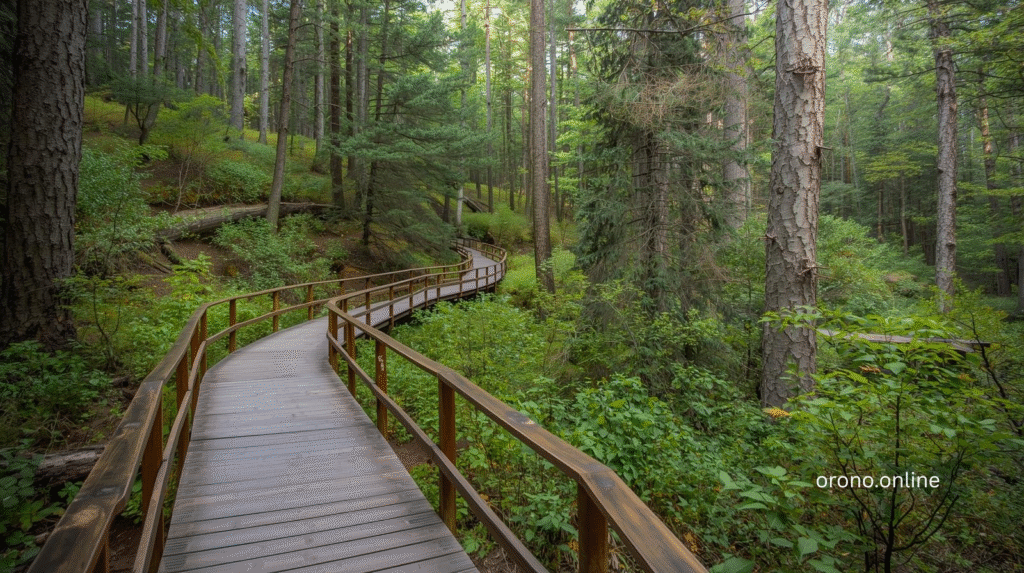
The nature preserve occupying portions of Big Island Minnesota encompasses mature forests, wetland habitats, and shoreline areas supporting diverse plant and animal communities. Approximately 3 miles of trails wind through these protected lands, offering hiking opportunities ranging from short walks to longer loops.
Over 100 bird species have been documented within the preserve on Big Island Minnesota, making it premier birding destination for enthusiasts seeking rare migrants or simply casual observers appreciating nature’s aerial displays. Spring and fall migrations bring particular diversity as species pass through Minnesota between breeding and wintering grounds.
White-tailed deer frequently appear along trails in the preserve on Big Island Minnesota, often visible during dawn and dusk hours when these animals feed most actively. Fox, raccoon, and other mammals also inhabit the area, though their secretive habits make sightings less predictable than deer encounters.
Trail System and Hiking
The trail network on Big Island Minnesota provides year-round recreation, with conditions and experiences changing dramatically across seasons. Spring wildflower displays carpet forest floors, summer’s full canopy offers cooling shade, autumn’s foliage creates spectacular colors, and winter snow transforms landscapes into peaceful white wonderlands.
Boardwalk sections traverse wet areas on Big Island Minnesota, protecting fragile soils while providing dry passage and excellent wildlife viewing platforms. These elevated walkways bring visitors eye-level with marsh vegetation where birds nest and amphibians chorus during breeding seasons.
Trail etiquette on Big Island Minnesota includes staying on designated paths, yielding appropriately between different user types, and practicing Leave No Trace principles that preserve natural conditions for future visitors. Respect for nature and other trail users ensures quality experiences for everyone.
Boating and Water Activities Around Big Island Minnesota
The island location within Lake Minnetonka creates abundant opportunities for water-based recreation that defines summer life throughout the region and attracts visitors from across Minnesota and beyond.
Boat Access and Docking
Public boat launches near Big Island Minnesota enable water access for those trailering boats from home, while marina facilities provide slips and services for vessels kept at the lake throughout seasons. This infrastructure supports active boating communities that make Lake Minnetonka one of Minnesota’s premier recreational destinations.
Restaurant docking on Big Island Minnesota accommodates patrons arriving by water, with tie-up spaces enabling convenient access to dining and entertainment. This boat-accessible commercial activity creates unique atmospheres where maritime and culinary cultures intersect in ways that landlocked establishments cannot replicate.
Navigation around Big Island Minnesota requires attention to channel markers, shallow areas, and no-wake zones protecting swimmers and shoreline properties. Boaters unfamiliar with Lake Minnetonka should study charts and proceed cautiously until learning local waters through experience.
Swimming and Beach Activities
While Big Island Minnesota itself has limited public beach access, nearby beaches throughout Lake Minnetonka provide supervised swimming during summer months. These facilities offer families safe water recreation with lifeguard protection, playground equipment, and picnic areas creating full-day destination opportunities.
Water temperatures in Lake Minnetonka surrounding Big Island Minnesota remain cooler than shallow lakes, providing refreshing relief during summer heat while requiring brief adjustment periods when first entering water. The clear conditions typically enable good visibility for swimmers observing underwater environments.
Fishing Opportunities
Anglers pursue diverse species in waters surrounding Big Island Minnesota, with largemouth bass, smallmouth bass, northern pike, walleye, and panfish all available depending on season, location, and fishing techniques employed. Shore fishing, boat fishing, and ice fishing each offer distinct experiences across different times of year.
Minnesota fishing licenses are required for anglers over 16, available online or from retailers near Big Island Minnesota before fishing trips. Regulations regarding seasons, size limits, and bag limits help maintain sustainable fish populations that provide quality angling for current and future generations.
Residential Communities on Big Island Minnesota
The island supports established neighborhoods where residents enjoy unique lifestyle benefits including water views, island character, and tight-knit community bonds that develop when people share distinctive geography separating them slightly from mainland sprawl.
Island Living Advantages
Homeowners on Big Island Minnesota appreciate the peaceful atmosphere that island locations naturally provide. While conveniently connected to mainland services via causeway, the island geography creates psychological separation from urban stress that residents value as essential quality-of-life benefits.
Property values on Big Island Minnesota reflect desirability factors including water access, natural beauty, and limited available land constraining development that might otherwise alter character. These real estate dynamics attract buyers willing to pay premiums for unique island living experiences.
Community connections on Big Island Minnesota often run stronger than typical suburban neighborhoods, as shared island identity and regular encounters at local establishments build relationships among neighbors. This social cohesion creates supportive networks where residents look out for each other’s properties and wellbeing.
Architectural Character
Homes on Big Island Minnesota range from modest cottages dating to earlier development eras through modern luxury estates maximizing water views and contemporary amenities. This architectural diversity reflects the island’s evolution from seasonal cottage community to year-round residential area.
Shoreline properties command premium valuations on Big Island Minnesota, with direct water access and private docks representing ultimate amenities for boating enthusiasts. Interior properties sacrifice water frontage but often occupy larger lots with mature landscaping providing natural privacy screening.
Seasonal Experiences Throughout the Year
Each season transforms Big Island Minnesota in ways that create distinct recreational opportunities, aesthetic beauty, and community character worth experiencing across the annual cycle.
Summer Island Life
Summer represents peak activity on Big Island Minnesota, with restaurants filling to capacity, boats crowding waters, and visitors maximizing warm weather opportunities. Beach activities, outdoor dining, live music, and extended daylight hours create festive atmospheres that define Minnesota summer culture.
Sunset viewing becomes evening ritual on Big Island Minnesota during summer months, with brilliant displays painting skies and waters in oranges, pinks, and purples that inspire photography and quiet appreciation. These natural light shows cost nothing yet provide experiences rivaling expensive entertainment.
Autumn Beauty
Fall foliage transforms Big Island Minnesota into spectacular displays as deciduous trees shift to brilliant reds, oranges, and golds before dropping leaves. The cooler temperatures and reduced insect activity make autumn ideal for hiking through nature preserve trails showcasing seasonal color.
Harvest festivals and autumn-themed events on Big Island Minnesota celebrate seasonal transitions with pumpkin displays, apple treats, and community gatherings that mark the ending of summer and preparation for coming winter. These traditions build continuity connecting current residents to generations who previously marked seasonal passages.
Winter Recreation
Winter access to Big Island Minnesota continues year-round via the causeway that remains plowed throughout snowy months. The preserve trails accommodate snowshoeing and cross-country skiing when conditions permit, while ice fishing attracts anglers drilling holes through frozen lake surfaces.
Holiday decorations transform Big Island Minnesota during December, with lights adorning homes and businesses creating festive displays that brighten dark winter evenings. Community members often take evening drives viewing decorations, creating low-cost entertainment that builds holiday spirit.
Spring Renewal
Spring brings melting snow, migrating birds, and emerging wildflowers that signal renewal on Big Island Minnesota. The season’s unpredictable weather creates challenges but also reminds residents and visitors of nature’s power and the dramatic climate swings defining Minnesota life.
Maple syrup tapping sometimes occurs in forested areas on Big Island Minnesota during late winter and early spring when temperature fluctuations create proper conditions for sap flow. Educational programs about this traditional practice connect people to heritage and natural processes.
Events and Community Traditions
Annual events on Big Island Minnesota bring residents and visitors together around shared celebrations that strengthen community bonds while attracting wider audiences discovering the island’s appeal.
Summer Concert Series
Live music performances during warm months attract audiences to outdoor venues on Big Island Minnesota, with genres ranging from rock to country to jazz ensuring diverse appeal. These free or low-cost concerts provide accessible entertainment where families spread blankets, couples dance, and friends gather creating memorable summer evenings.
The concert series on Big Island Minnesota builds community identity and pride as local traditions that residents anticipate annually. Volunteers organizing events develop leadership skills while strengthening social networks that benefit the broader community beyond specific occasions.
Holiday Celebrations
Seasonal festivals marking holidays create gathering opportunities on Big Island Minnesota throughout the year. Fourth of July fireworks launched over water create dramatic displays reflected in lake surfaces, while Halloween events and winter celebrations maintain activity across all seasons rather than limiting community life to summer months.
These traditions on Big Island Minnesota attract families seeking wholesome entertainment that builds childhood memories. Parents appreciate safe, supervised events where kids can celebrate holidays surrounded by community rather than isolated in individual homes.
Planning Your Visit to Big Island Minnesota
Successful trips require understanding practical details about access, parking, seasonal considerations, and activity options that help visitors maximize their island experiences.
Essential Visitor Information:
- Location: Accessed via causeway from Orono, Minnesota
- Distance: Approximately 20 miles west of Minneapolis
- Parking: Available at restaurants and nature preserve
- Public Access: Nature preserve trails open dawn to dusk
- Dining: Multiple restaurants with varying price points
- Seasonal: Year-round access, summer busiest period
Peak summer weekends see heavy visitation to Big Island Minnesota, particularly at restaurants and commercial establishments. Advance reservations for dining help ensure seating during busy periods when walk-in availability becomes limited.
Off-season visits to Big Island Minnesota offer quieter experiences with easier parking and less crowded conditions. Fall and spring provide pleasant weather for hiking without summer heat, while winter visits showcase the island’s peaceful snow-covered beauty.
Why Big Island Minnesota Matters to the Region
Beyond individual recreation and dining, the island serves important ecological, economic, and cultural functions benefiting broader communities throughout the Lake Minnetonka region and Twin Cities metropolitan area.
The protected natural areas on Big Island Minnesota preserve habitat supporting species that cannot survive in heavily developed landscapes. These refuges maintain biodiversity essential for ecosystem health while providing outdoor education opportunities that build environmental literacy and conservation ethics.
Economic activity generated by Big Island Minnesota through restaurant patronage, property taxes, and visitor spending supports local employment and community services. The island’s businesses provide jobs while generating tax revenue funding schools, infrastructure, and public services benefiting all residents regardless of their frequency visiting the island.
Cultural significance of Big Island Minnesota as recognized gathering place and community landmark creates shared identity among Lake Minnetonka residents. The island serves as familiar reference point in conversations, meeting location, and symbol of the region’s unique character that distinguishes it from generic suburban sprawl.
Frequently Asked Questions About Big Island Minnesota
Q1: Where is it located?
Big Island Minnesota is located in Lake Minnetonka near Orono, approximately 20 miles west of downtown Minneapolis.
Q2: How do you access it?
A causeway connects Big Island Minnesota to mainland Orono, enabling convenient vehicle access without requiring boats.
Q3: Are there restaurants?
Yes, Big Island Minnesota features several restaurants including the iconic Lord Fletcher’s and other waterfront dining options.
Q4: Can you hike there?
Yes, approximately 3 miles of trails wind through the nature preserve on Big Island Minnesota open to public hiking.
Q5: Is it free to visit?
Nature preserve access on Big Island Minnesota is free. Restaurants and some activities require payment for services.
Q6: Can you boat there?
Yes, restaurants on Big Island Minnesota offer docking for patrons arriving by boat, and the island is accessible by water.
Q7: Are there beaches?
Limited public beach access exists on Big Island Minnesota, though nearby Lake Minnetonka beaches provide swimming options.
Q8: Can you fish there?
Yes, fishing is available in waters surrounding Big Island Minnesota for bass, walleye, northern pike, and panfish.
Q9: Is it open year-round?
Yes, Big Island Minnesota remains accessible year-round via causeway, though activity levels vary by season.
Q10: Can you live there?
Yes, Big Island Minnesota includes residential neighborhoods where people own homes and live year-round or seasonally.