Legal uncertainty creates anxiety. Whether someone is buying property, dealing with a dispute, or simply trying to understand a legal situation, not knowing the facts can feel overwhelming. This is where a court docket becomes a source of relief. A court docket is not just a technical legal term; it represents clarity, transparency, and control. It shows the real story of a case what has happened, what is pending, and what has been decided.
For ordinary people, court docket access removes fear of the unknown. For professionals, it provides structure and reliability. Instead of guessing or relying on incomplete information, a court records allows individuals to see verified actions recorded by the court. This guide explains court docket records in depth, why they matter, how they are used, and how they protect people from costly legal mistakes.
What a Court Docket Means in the Legal System
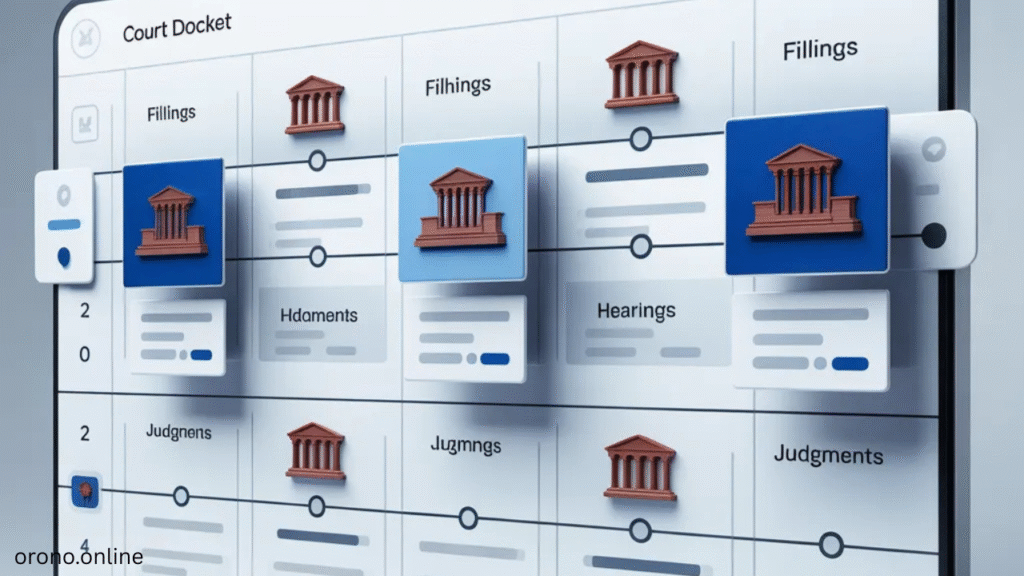
A court docket is an official chronological record maintained by a court that tracks every activity in a legal case. From the moment a case is filed until it is closed, each step is documented on the docket. This includes filings, motions, court dates, hearings, and final judgments.
The purpose of a court docket is transparency. It ensures that the legal process is visible, traceable, and accountable. Anyone reviewing a court docket can understand the progress and current status of a case without speculation. This reliability makes court docket records one of the most trusted sources of legal information.
Why Court Docket Records Are So Important
Court docket records affect real lives. A single unresolved case can delay a property sale, block financing, or create legal risk. Reviewing a court docket allows people to identify these issues early.
For buyers, a court docket protects financial investment. For owners, it helps manage responsibilities. For families, it reduces stress by providing certainty. In every situation, court docket access replaces fear with knowledge and helps people move forward confidently.
Types of Cases You Can Find in a Court Docket
Property-Related Cases
Property disputes are among the most common cases listed in a court docket. These include ownership conflicts, inheritance claims, and title challenges. Reviewing the court docket helps confirm whether a property is legally clear or under dispute.
Foreclosure and Debt Cases
Foreclosure actions, loan defaults, and unpaid obligations are recorded in court docket systems. These cases reveal financial risks that buyers and investors must understand before proceeding.
Civil Disputes
Civil lawsuits involving contracts, damages, or agreements appear in court docket records. These cases help users evaluate potential liabilities connected to individuals or properties.
Administrative and Regulatory Matters
Zoning disputes, compliance issues, and regulatory enforcement actions are also documented through court docket entries, offering insight into land use and legal limitations.
Information Contained in a Court Docket
A court docket provides structured legal details that allow users to follow a case clearly:
- Case number and filing date
- Names of all parties involved
- Case classification and court division
- Motion filings and responses
- Scheduled hearings and outcomes
- Final rulings and case status
Each entry reflects a real action taken by the court, creating a reliable legal timeline.
How to Search a Court Docket Effectively
Searching a court docket begins with accurate information. Common search methods include case number, party name, or attorney name. Some courts also allow searches by filing date or case type.
Careful attention to spelling and formatting improves results. Reviewing the full records history ensures that no critical detail is missed. A thorough court docket search can prevent serious legal and financial mistakes.
Who Relies on Court Docket Records
Home Buyers and Families
Families use court docket records to ensure a property is free from legal disputes. This step protects emotional and financial security.
Property Owners
Owners monitor court docket activity to stay aware of claims, deadlines, and court decisions affecting their rights.
Investors
Investors analyze court docket records to assess risk, identify distressed assets, and make informed decisions.
Legal and Financial Professionals
Attorneys, lenders, and analysts depend on court record accuracy for documentation, compliance, and due diligence.
Court Docket Compared to Other Legal Records
A court docket focuses on legal actions and proceedings, while other records may only show ownership or financial data. Without reviewing a court docket records , serious legal issues can remain hidden.
Using court docket records alongside other documents creates a complete and trustworthy legal picture.
Common Uses of Court Docket Information
Court docket records are commonly used to:
- Verify active or closed cases
- Confirm legal ownership status
- Review foreclosure proceedings
- Prepare legal documentation
- Support negotiations and settlements
Each use relies on accurate and updated court data.
Emotional Impact of Court Docket Transparency
Legal uncertainty causes stress, delays, and fear. Court docket transparency reduces this burden by providing clear facts. Knowing the truth allows people to plan, negotiate, and move forward with confidence.
Trust in legal systems grows when information is accessible and understandable.
Tips for Understanding Court Docket Entries
- Check case status regularly
- Review filing dates in order
- Identify all involved parties
- Note rulings and deadlines
- Confirm information with official court sources
These practices help avoid misinterpretation.
Limitations of Court Docket Records
Court docket records provide factual information but do not replace legal advice. Some cases may have sealed entries or delayed updates. Complex matters may require professional interpretation.
Conclusion
A court record docket is a powerful source of legal clarity. It protects buyers, informs owners, and supports professionals by replacing uncertainty with verified facts.
Understanding court docket records empowers individuals to make informed decisions, avoid unnecessary risk, and approach legal matters with confidence. Legal transparency is not just helpful it is essential.
Frequently Asked Questions About Court Docket
What is a court docket?
A court docket is an official record maintained by a court that lists every action taken in a legal case, including filings, hearings, and final decisions.
What details are included in a court docket?
A court docket includes the case number, names of involved parties, filing dates, court motions, hearing schedules, and the current case status.
Are court docket records public?
Most court docket records are public and can be accessed through authorized court systems, unless a case or document is legally sealed.
Why is it important to review a court docket?
Reviewing a court docket helps identify active or past legal cases, allowing individuals to avoid unexpected legal or financial risks.
Who commonly uses court docket records?
Court docket records are widely used by home buyers, property owners, investors, legal professionals, and financial institutions.
Can foreclosure cases be found in a court docket?
Yes, foreclosure and debt-related cases are commonly recorded in court docket systems and can be reviewed before making property decisions.
What is the most accurate way to search a court docket?
Searching by case number is the most accurate method because each court docket number is unique to a specific legal case.
How is a court docket different from other legal records?
A court docket provides a complete timeline of legal proceedings, while other records may only summarize ownership or financial details.
Is access to a court docket free?
Basic court docket access is often free, but detailed documents or certified copies may require a small fee.
How does a court docket support legal decision-making?
A court docket provides verified court information that helps individuals make informed, confident, and legally sound decisions.