Picture yourself standing on a pristine shoreline just minutes from downtown Minneapolis, watching sailboats glide across crystal waters while families laugh on nearby beaches and luxury homes dot the tree-lined coast. This isn’t a distant vacation fantasy requiring cross-country travel—it’s Lake Minnetonka Minnesota, a 14,000-acre aquatic paradise hiding in plain sight within the Twin Cities suburbs.
Whether you’re dreaming of waterfront living, planning your first summer visit, searching for the perfect fishing spot, or simply curious about Minnesota’s most legendary lake, understanding what makes Lake Minnetonka Minnesota so special transforms casual interest into genuine passion. This isn’t just another Midwest lake—it’s a lifestyle destination where generations have built memories, fortunes, and deep connections to nature without sacrificing metropolitan conveniences.
This comprehensive guide reveals everything about Lake Minnetonka Minnesota, from its fascinating history and impressive geography to recreation opportunities, real estate insights, and insider tips that help you experience this Minnesota treasure like a local.
Discovering Lake Minnetonka Minnesota: Geography and Natural Beauty
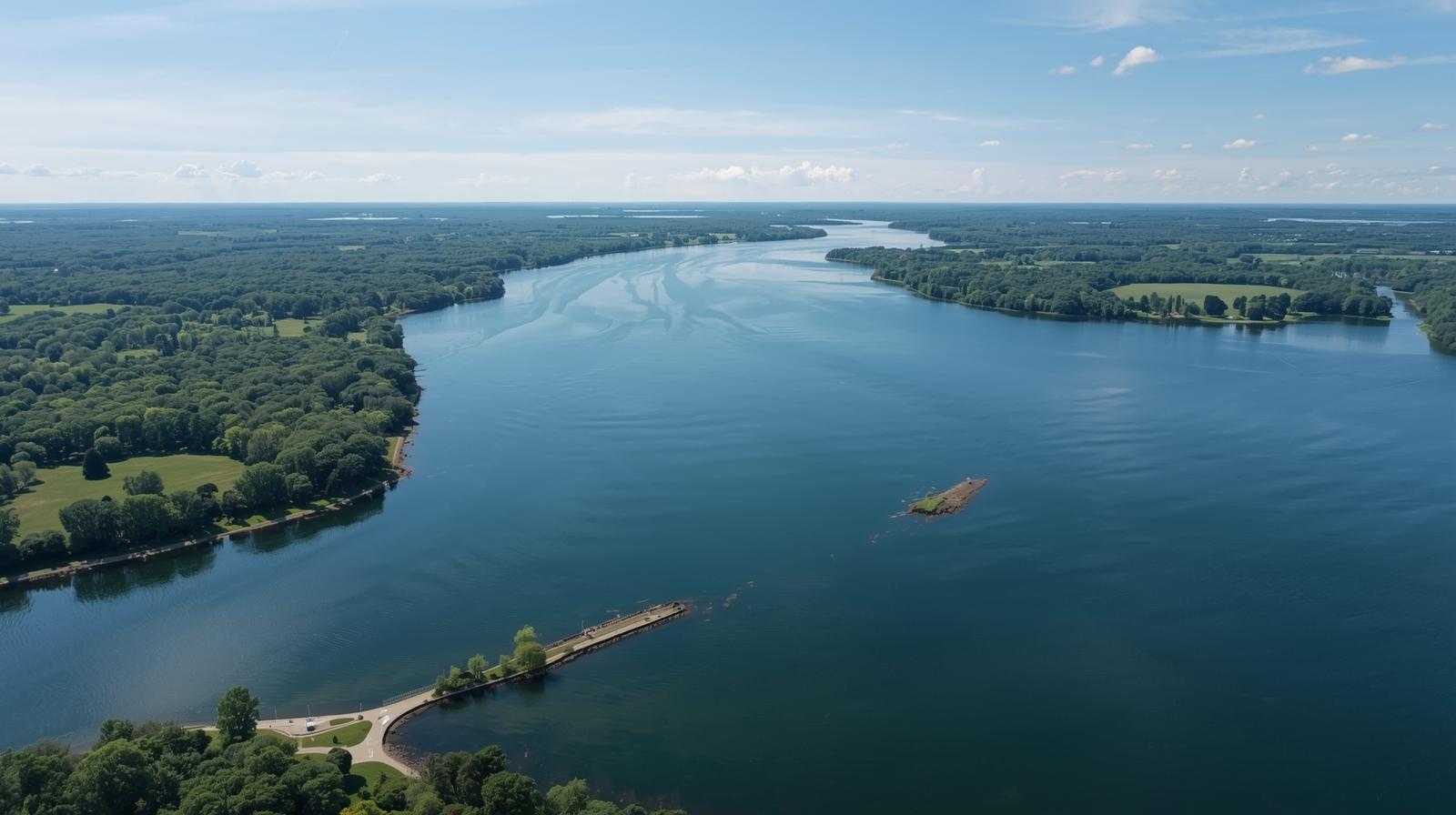
Lake Minnetonka Minnesota spans approximately 14,000 acres across nine western suburban communities in Hennepin County, creating one of the Upper Midwest’s most distinctive recreational destinations. Located just 15 miles west of Minneapolis and 20 miles from St. Paul, this sprawling water body offers escape from urban intensity without requiring long-distance travel or overnight accommodations.
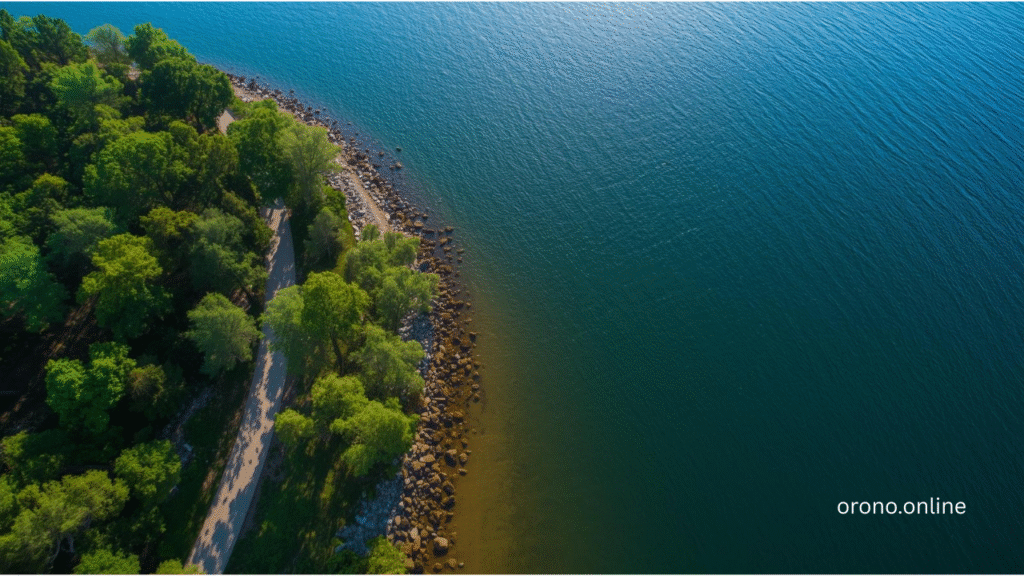
The lake’s irregular shape distinguishes Lake Minnetonka Minnesota from simpler round or oval water bodies common throughout the region. Over 20 interconnected bays create a complex aquatic maze with more than 125 miles of shoreline—far exceeding what the 14,000-acre surface area might suggest. This extensive perimeter provides abundant waterfront property, diverse wildlife habitats, and countless exploration opportunities for boating enthusiasts.
Maximum depths reaching 113 feet in certain sections support cold-water fish species requiring cooler temperatures during summer months when surface waters warm considerably. Average depth of approximately 38 feet indicates substantial variation across different areas, with shallow bays under 10 feet contrasting sharply against deep channels and basins exceeding 80 feet. This depth diversity creates varied ecosystems supporting different recreational activities and aquatic species.
Glacial activity during the last ice age carved the distinctive geography defining Lake Minnetonka Minnesota today. Ancient ice sheets retreating northward approximately 12,000 years ago left behind meltwater channels, depressions, and irregular terrain that filled with water creating the interconnected bay system we now enjoy.
Communities Surrounding Lake Minnetonka Minnesota
Multiple municipalities share jurisdiction over the shoreline where Lake Minnetonka Minnesota creates property values, recreational opportunities, and community identities centered around water access and lakeside living.
Major Communities Around the Lake:
- Wayzata: Eastern shore, upscale downtown, yacht clubs
- Orono: Northern sections, residential neighborhoods
- Minnetonka: Southern shores, largest city by population
- Excelsior: Southwestern corner, historic downtown charm
- Deephaven: Central southern areas, quiet residential
- Shorewood: Southeastern regions, established neighborhoods
- Mound: Western portions, more affordable options
- Spring Park: Western shore communities
- Tonka Bay: Central lake areas, small-town feel
Each community brings distinct character to Lake Minnetonka Minnesota, with some emphasizing historic preservation while others welcome modern development. Property values, architectural styles, and community amenities vary significantly between municipalities, offering diverse options for those seeking lakeside living.
The Lake Minnetonka Conservation District coordinates management across jurisdictional boundaries, ensuring unified approaches to water quality protection, invasive species control, and recreational regulations. This cooperative governance structure recognizes that Lake Minnetonka Minnesota functions as a single ecosystem requiring comprehensive rather than fragmented management.
Recreational Paradise: Activities on Lake Minnetonka Minnesota
The substantial size and depth variety defining Lake Minnetonka Minnesota enable diverse recreational pursuits that smaller lakes cannot accommodate simultaneously without conflicts between different user groups.
Boating and Sailing Culture
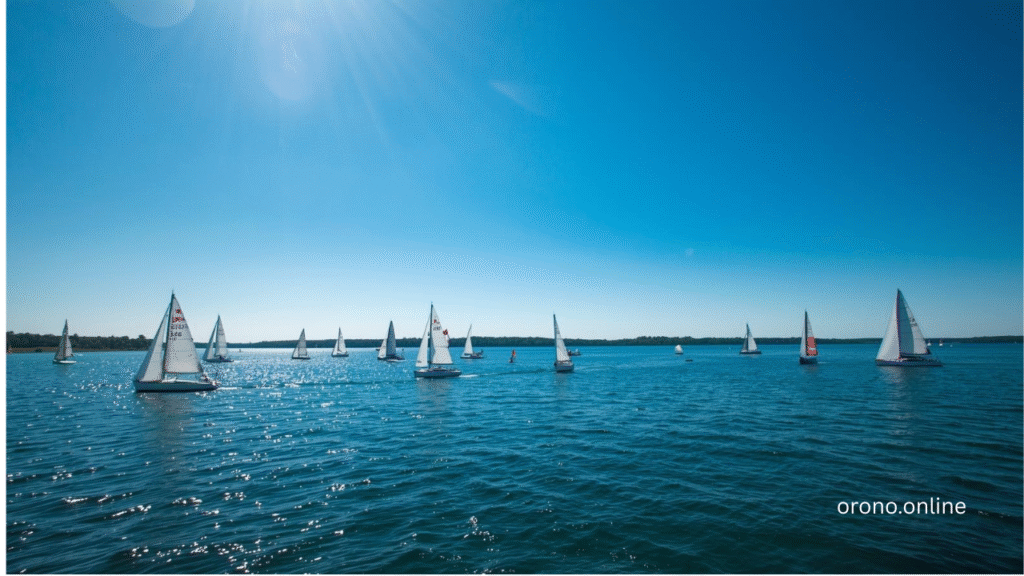
Boating represents the quintessential Lake Minnetonka Minnesota experience, with everything from small fishing boats to massive cruisers navigating the interconnected bays throughout summer months. Multiple yacht clubs organize sailing races, regattas, and social events that have become beloved community traditions spanning generations.
Sailing enthusiasts appreciate the large open bays providing adequate space for racing courses and long tacks impossible on smaller water bodies. The Minnetonka Yacht Club, Wayzata Yacht Club, and other organizations maintain active competitive sailing programs attracting serious racers alongside recreational sailors seeking leisurely afternoon cruises.
Powerboating culture thrives across Lake Minnetonka Minnesota, with pontoons perfect for family outings, ski boats pulling wakeboarders and tubers, and luxury cabin cruisers offering comfortable multi-day excursions. Summer weekends see hundreds of vessels on the water, creating vibrant scenes of recreational activity against beautiful natural backdrops.
World-Class Fishing Opportunities
Anglers pursuing diverse species find exceptional fishing throughout Lake Minnetonka Minnesota’s varied habitats. Walleye, the state fish of Minnesota, inhabit deeper sections and structure areas where experienced fishermen employ jigging techniques and live bait presentations. Bass fishing attracts tournament competitors and casual anglers alike, with both largemouth and smallmouth populations thriving around rocky shorelines and vegetation beds.
Northern pike lurk in shallow weedy bays, offering exciting action for anglers casting spoons and spinnerbaits into likely ambush zones. Panfish including crappie, sunfish, and perch provide family-friendly fishing accessible even to young children learning basic angling skills.
Ice fishing transforms Lake Minnetonka Minnesota during winter months when thick ice supports shelters, vehicles, and thousands of anglers pursuing cold-water species. The social aspects of ice fishing—gathering in heated shelters, sharing stories, and enjoying winter recreation—create unique experiences impossible during open water seasons.
Swimming and Beach Activities
Public beaches and private shorelines throughout Lake Minnetonka Minnesota provide swimming opportunities during warm summer months. Water quality monitoring ensures safe conditions, though occasional algae blooms in certain bays can temporarily affect swimming desirability.
Excelsior Commons offers a popular public beach with designated swimming areas, playground equipment, and picnic facilities attracting families throughout the region. Other public access points provide smaller beach areas where residents without waterfront property can enjoy swimming and sunbathing.
Private beaches associated with lakefront homes give property owners exclusive access to shoreline swimming, sunbathing, and water play. Many families consider beach access essential when selecting homes around Lake Minnetonka Minnesota, prioritizing shallow entry areas safe for young children.
Real Estate and Living Around Lake Minnetonka Minnesota
Property values surrounding Lake Minnetonka Minnesota consistently rank among the highest in Minnesota, reflecting the combination of natural beauty, recreational access, excellent schools, and metropolitan proximity that defines the area’s appeal.
Lakefront Property Market
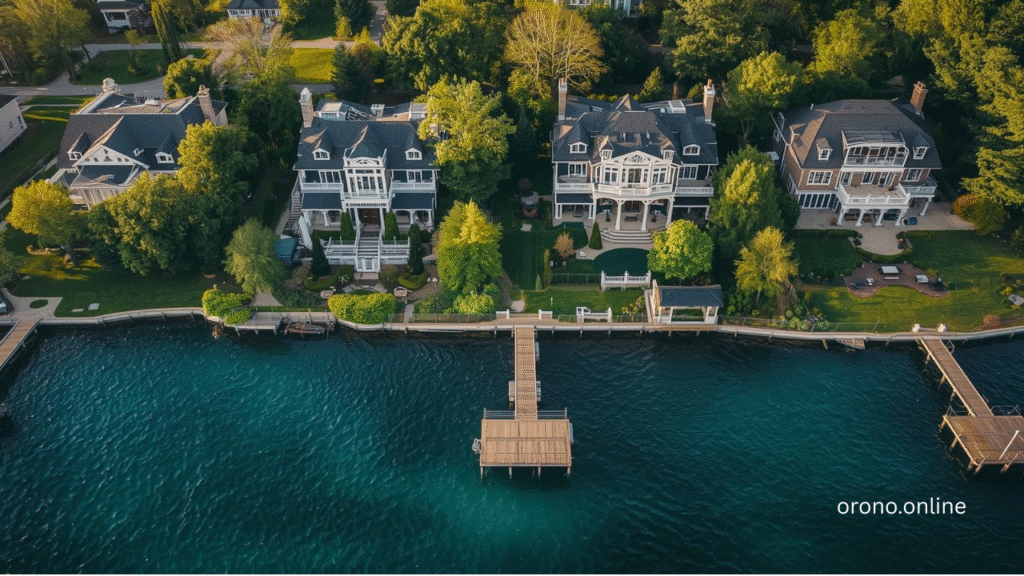
Waterfront homes command premium prices throughout Lake Minnetonka Minnesota, with direct lake access representing the ultimate amenity for affluent buyers. Properties featuring private docks, sandy beaches, and unobstructed water views regularly sell for $2-10+ million depending on lot size, shoreline footage, home quality, and specific location.
The lakefront premium varies based on several factors beyond simple water access. South-facing exposures providing all-day sun and spectacular sunset views command higher prices than north-facing properties receiving limited direct sunlight. Deep water immediately offshore enabling boat docking without long piers adds value compared to shallow areas requiring extensive dock construction reaching adequate depths.
Lakefront Property Price Ranges:
| Property Category | Price Range | Typical Features |
|---|---|---|
| Modest Lakefront | $1M – $2M | Older homes, smaller lots |
| Mid-Range Waterfront | $2M – $4M | Updated homes, good locations |
| Luxury Estates | $4M – $8M | New construction, premium features |
| Ultra-Luxury | $8M+ | Exceptional properties, extensive grounds |
Competition for lakefront inventory around Lake Minnetonka Minnesota remains intense, with desirable properties often receiving multiple offers shortly after listing. Buyers willing to pay premium prices recognize that waterfront land represents finite resources that cannot be manufactured regardless of demand levels.
Interior Neighborhood Options
Properties away from immediate shoreline provide more accessible entry points into Lake Minnetonka Minnesota communities while maintaining excellent schools, safe neighborhoods, and community amenities that define area appeal. These interior homes typically range from $500,000 to $1,500,000 depending on size, age, condition, and specific location.
Many interior residents utilize public lake access points for boating, fishing, and swimming, enjoying Lake Minnetonka Minnesota’s recreational benefits without the costs and responsibilities of private waterfront ownership. Boat storage facilities and marina slips enable boat ownership for those lacking private docks.
The sense of community often runs stronger in interior neighborhoods where higher density creates more neighbor interactions compared to sprawling lakefront estates. Block parties, neighborhood watch programs, and youth sports leagues build relationships that transform residential subdivisions into genuine communities.
Water Quality and Environmental Stewardship
Protecting the ecological health of Lake Minnetonka Minnesota requires ongoing vigilance and collective action from all stakeholders including residents, government agencies, and conservation organizations.
Current Water Quality Status
The Minnesota Pollution Control Agency monitors water quality throughout Lake Minnetonka Minnesota, tracking clarity, nutrient levels, algae blooms, and invasive species populations. Overall conditions remain generally good compared to many metropolitan area lakes, though certain bays with restricted circulation experience periodic water quality challenges.
Phosphorus from lawn fertilizers, failing septic systems, and urban runoff feeds algae growth that clouds water and creates unpleasant swimming conditions during summer months. Education campaigns encourage residents to limit fertilizer applications, maintain septic systems properly, and install rain gardens capturing runoff before reaching the lake.
Water clarity varies significantly between different sections of Lake Minnetonka Minnesota, with some bays maintaining visibility exceeding 10 feet while others experience reduced clarity during peak algae growth periods. These variations reflect differences in depth, circulation patterns, watershed characteristics, and development intensity surrounding specific bays.
Invasive Species Challenges
Zebra mussels colonized Lake Minnetonka Minnesota despite prevention efforts, establishing populations that now require ongoing management rather than eradication. These tiny mollusks attach to hard surfaces, clog water intake pipes, and alter lake ecology by filtering massive water volumes while concentrating pollutants.
Eurasian watermilfoil, an aggressive aquatic plant, chokes waterways throughout Lake Minnetonka Minnesota, interfering with swimming, boating, and native plant communities. Mechanical harvesting and chemical treatments manage milfoil populations, though complete elimination remains unrealistic given the plant’s reproductive strategies and extensive distribution.
The Lake Minnetonka Conservation District coordinates invasive species management across jurisdictional boundaries, recognizing that effective control requires comprehensive approaches rather than isolated local efforts. Boat inspections at public access points aim to prevent additional invasive species introductions from other water bodies.
Seasonal Experiences Throughout Lake Minnetonka Minnesota
Each season brings distinct character and recreational opportunities to Lake Minnetonka Minnesota, creating year-round appeal rather than limiting enjoyment to brief summer months.
Summer: Peak Recreation Season
Summer represents the busiest period around Lake Minnetonka Minnesota, with warm weather driving maximum participation in water-based recreation. Weekends see hundreds of boats navigating between bays, beaches filled with families, and restaurants serving outdoor diners enjoying lakeside ambiance.
Sailing regattas, fishing tournaments, concerts, and community festivals fill summer calendars with activities celebrating lake culture and bringing residents together around shared appreciation for this natural treasure. The social energy of summer creates memories that sustain residents through quieter seasons.
Fall: Natural Beauty and Tranquility
Autumn transforms shorelines around Lake Minnetonka Minnesota into spectacular displays of red, orange, and gold foliage as deciduous trees prepare for winter dormancy. Cooler temperatures reduce boat traffic, creating peaceful conditions for anglers pursuing fall feeding frenzies and nature lovers seeking solitude.
The transition from summer’s frenetic activity to fall’s contemplative pace offers perspective on seasonal rhythms that define life around Lake Minnetonka Minnesota. Longtime residents often cite autumn as their favorite season, when beauty peaks while crowds disperse.
Winter: Ice Fishing and Frozen Recreation
Thick ice transforms Lake Minnetonka Minnesota into vast frozen playgrounds where ice fishing, skating, cross-country skiing, and snowmobiling create unique winter recreation impossible during open water seasons. Ice fishing shelters dot frozen surfaces where anglers pursue panfish, walleye, and northern pike through drilled holes.
The social aspects of winter recreation around Lake Minnetonka Minnesota build community bonds as neighbors gather around warming fires, share fishing tips, and celebrate the season’s unique offerings rather than merely enduring cold months until summer returns.
Spring: Renewal and Anticipation
Spring brings melting ice, migrating waterfowl, and eager anticipation for another open water season around Lake Minnetonka Minnesota. Boat owners perform maintenance preparing vessels for summer, anglers pursue spawning fish in shallow warming bays, and communities prepare facilities for upcoming tourist seasons.
The renewal energy of spring reminds residents that Lake Minnetonka Minnesota offers perpetual cycles of change, activity, and natural beauty that prevent monotony even for those who’ve lived lakeside for decades.
Dining and Entertainment Around Lake Minnetonka Minnesota
The communities surrounding Lake Minnetonka Minnesota offer diverse dining, shopping, and entertainment options that complement the natural recreation defining the area’s primary appeal.
Waterfront Dining Experiences
Several restaurants provide lakeside dining where patrons enjoy meals while watching boats navigate past and sunsets paint water in brilliant colors. Lord Fletcher’s on the Lake has served generations of diners seeking classic American fare with unbeatable water views, creating memories that families treasure across decades.
Maynard’s in Excelsior offers upscale dining in a beautifully renovated historic building, with outdoor seating overlooking the bay during warm months. The combination of excellent food, sophisticated ambiance, and prime location makes it a special occasion destination for celebrations and romantic dinners.
Casual options including Sunsets and Big Island provide relaxed atmospheres where boaters can dock temporarily while grabbing meals or drinks before continuing their journeys across Lake Minnetonka Minnesota.
Shopping and Local Businesses
Downtown Excelsior’s historic Main Street features boutique shops, galleries, and specialty retailers creating charming shopping experiences that draw visitors from across the metropolitan area. The small-town atmosphere combined with quality merchandise makes browsing these establishments enjoyable even for those not seeking specific purchases.
Wayzata’s commercial district offers upscale shopping with national brands alongside local businesses, providing retail options that meet demanding standards of affluent residents living around Lake Minnetonka Minnesota.
Farmers markets during growing seasons bring fresh produce, artisan foods, and handcrafted goods to communities surrounding the lake, supporting local agriculture while creating social gathering spaces where residents connect with neighbors.
Historical Significance of Lake Minnetonka Minnesota
Understanding the rich history surrounding Lake Minnetonka Minnesota adds depth to contemporary experiences, connecting current recreation to generations who previously enjoyed these waters.
Indigenous Heritage
Dakota people inhabited lands around Lake Minnetonka Minnesota for centuries before European contact, calling the water body “Minne Tonka” meaning “Big Water” in their language. The lake provided fish, waterfowl, wild rice, and transportation routes essential for survival and prosperity.
European settlement displaced indigenous populations through treaties and forced relocations, severing connections to ancestral lands that had sustained communities for generations. This painful history reminds us that the beautiful landscapes we now enjoy carry complex legacies involving loss and cultural trauma.
Steamboat Era and Resort Tourism
The late 1800s brought steamboat service to Lake Minnetonka Minnesota, transforming isolated communities into tourist destinations accessible from Minneapolis and St. Paul. Grand resort hotels attracted wealthy urbanites seeking escape from city heat and industrial environments, establishing tourism as an economic foundation.
The Hotel St. Louis and other luxurious establishments offered Victorian elegance where guests enjoyed fine dining, recreational activities, and social events that introduced cosmopolitan culture to previously rural areas. Though these grand hotels no longer stand, their influence shaped development patterns and social traditions persisting today.
Getting to Lake Minnetonka Minnesota
Accessibility represents a key advantage distinguishing Lake Minnetonka Minnesota from more remote northern Minnesota lakes offering similar natural beauty but requiring lengthy travel.
Transportation Options:
- By Car: 15-20 minutes from downtown Minneapolis via Highway 7 or I-494
- By Public Transit: Limited bus service to select communities
- By Bike: Regional trails connect some areas to broader networks
- By Boat: Water access from Mississippi River system (advanced navigation)
Minneapolis-St. Paul International Airport sits approximately 30-40 minutes from most Lake Minnetonka Minnesota communities, enabling convenient travel for visitors from distant locations. This metropolitan proximity allows weekend getaways without vacation day expenditure required for truly remote destinations.
Why Lake Minnetonka Minnesota Captures Hearts
The intangible qualities making Lake Minnetonka Minnesota special transcend simple amenity lists or statistical comparisons. It’s the feeling of watching sunset paint water in impossible colors while loons call across the bay. It’s the joy of teaching your children to water ski where you learned decades earlier. It’s the pride of maintaining family traditions spanning generations who’ve gathered at the same lakeside cottage every summer.
The combination of natural beauty, recreational diversity, excellent schools, and metropolitan accessibility creates lifestyle opportunities unmatched elsewhere in Minnesota. You’re not choosing between urban careers and lake living—Lake Minnetonka Minnesota enables both simultaneously, delivering quality of life that justifies the premium prices residents willingly pay.
Frequently Asked Questions About Lake Minnetonka Minnesota
Q1: Where is it located?
Lake Minnetonka Minnesota is located 15 miles west of Minneapolis in Hennepin County across nine suburban communities.
Q2: How big is the lake?
Lake Minnetonka Minnesota covers 14,000 acres with 125+ miles of shoreline and depths reaching 113 feet.
Q3: Can you swim in it?
Yes, Lake Minnetonka Minnesota has multiple public beaches and private swimming areas with generally good water quality.
Q4: What fish are there?
Lake Minnetonka Minnesota supports walleye, bass, northern pike, panfish, and other species attracting anglers year-round.
Q5: Are there public boat launches?
Yes, several public access points around Lake Minnetonka Minnesota provide boat launch facilities and parking.
Q6: How expensive are homes?
Lakefront properties in Lake Minnetonka Minnesota range $1M-$10M+, with interior homes $500K-$1.5M typically.
Q7: Is it good for sailing?
Excellent sailing conditions with multiple yacht clubs organizing races throughout summer on Lake Minnetonka Minnesota.
Q8: What’s the water quality?
Lake Minnetonka Minnesota maintains generally good water quality with ongoing conservation efforts and monitoring programs.
Q9: Can you ice fish in winter?
Yes, winter ice fishing is extremely popular on Lake Minnetonka Minnesota with shelters dotting frozen surfaces.
Q10: What communities surround it?
Wayzata, Orono, Minnetonka, Excelsior, Deephaven, Shorewood, Mound, Spring Park, and Tonka Bay surround Lake Minnetonka Minnesota.