There are moments in democratic life when the ordinary rhythm of scheduled elections gives way to something more urgent and more immediate. A seat becomes vacant. A community faces a decision that cannot wait for the next regular cycle. An election is called, candidates step forward, and residents are asked to participate in a process that carries real consequence for the governance of their state in the days, weeks, and months immediately ahead.
Minnesota Special Election Results carry that quality of urgency and immediacy. They are not the predictable outcomes of a long-anticipated regular election cycle. They are the results of a democratic process convened specifically to address a specific need — filling a vacancy, resolving an unanticipated governance gap, or responding to a circumstance that requires immediate electoral resolution.
Minnesota has a well-established process for conducting special elections that ensures vacancies in state legislative seats and other elected positions are filled through proper democratic means rather than appointment alone. This process reflects Minnesota’s deep commitment to representative government — the principle that elected positions should be held by people who have earned a genuine mandate from the voters they represent, not simply by whoever happens to be available or well-connected when a vacancy occurs.
Whether you are a Minnesota voter trying to understand whether a special election is happening in your district, a civic-minded resident who wants to follow Minnesota Special Election Results as they develop, a journalist or researcher tracking electoral outcomes across the state, or simply someone who believes that staying informed about democratic processes is a fundamental responsibility of citizenship — this complete guide provides everything you need.
This guide covers the most important things every Minnesota voter and civic participant should know about Minnesota Special Election Results and the processes that produce them.
Minnesota Special Election Results at a Glance
| Detail | Information |
|---|---|
| State | Minnesota |
| Election Type | Special Election to Fill Vacant Seats |
| Common Offices | State Senate, State House of Representatives |
| Governing Authority | Minnesota Secretary of State |
| Results Published | Minnesota Secretary of State Website |
| Voter Registration | Same-Day Registration Available |
| Eligibility | US Citizen, MN Resident, 18+ Years Old |
| Absentee Voting | Available for All Registered Voters |
| Nonpartisan Races | Some Local Special Elections Are Nonpartisan |
| Certification | Typically Within Two Weeks of Election Day |
1. What Triggers a Minnesota Special Election
Understanding what causes a Minnesota Special Election is the essential first step to making sense of Minnesota Special Election Results when they occur.
Special elections in Minnesota are triggered by vacancies in elected offices that cannot wait until the next regularly scheduled election to be filled. The most common trigger is the death, resignation, or removal of a sitting legislator — a state senator or state representative whose seat must be filled to maintain full legislative representation for the affected district.
Vacancies can also occur when an elected official accepts an appointment to another position that is incompatible with their current elected office. In these cases, Minnesota law requires a special election to fill the vacancy rather than leaving the seat empty or allowing it to be filled by appointment alone.
The governor of Minnesota typically issues a proclamation announcing a special election when a vacancy occurs, setting the timeline for candidate filing, the election date, and the process for certifying Minnesota Special Election Results once voting is complete.
Understanding what triggered a particular special election helps voters evaluate the candidates and issues involved with appropriate context. A vacancy created by a legislator’s death carries different community dynamics than one created by resignation to accept another appointment.
2. How Minnesota Special Elections Work
The process that produces Minnesota Special Election Results follows a specific statutory framework that ensures elections are conducted fairly, transparently, and in accordance with the democratic principles that govern all Minnesota elections.
Candidate filing for Minnesota special elections opens within a relatively short window after the governor’s proclamation, giving potential candidates limited time to make the decision to run and complete the required filing paperwork. This compressed timeline means that candidates in special elections are often individuals who have been engaged in local political or civic life and can move quickly when an opportunity or need arises.
Minnesota special elections are typically partisan races for state legislative seats, meaning candidates appear on the ballot with their party affiliation. This differs from many local municipal special elections, which are conducted on a nonpartisan basis. The partisan nature of state legislative special elections means that party organizations play a significant role in candidate recruitment, campaign support, and voter mobilization efforts that shape Minnesota Special Election Results.
Election day for a Minnesota special election is set by the governor’s proclamation and may fall on any day of the week, though Tuesdays are most common in keeping with traditional American election scheduling practices.

3. Where to Find Official Minnesota Special Election Results
Knowing where to find accurate, authoritative Minnesota Special Election Results is essential for staying properly informed rather than relying on unofficial sources that may be incomplete, premature, or simply wrong.
The Minnesota Secretary of State’s office is the primary official source for Minnesota Special Election Results. The Secretary of State’s election results website publishes vote totals as they are reported from county auditors throughout election night, with results updated continuously as precincts report and absentee ballots are processed.
County auditor websites for the specific counties within the affected legislative district also publish precinct-level results that provide more granular detail about voting patterns across different communities within the district. These county-level results are particularly valuable for understanding how different geographic areas within a district responded to the candidates and issues on the ballot.
Local news organizations covering the affected legislative district provide real-time reporting on Minnesota Special Election Results on election night, including context, candidate reactions, and community response that official government results pages do not capture.
4. Understanding What Minnesota Special Election Results Mean
Reading Minnesota Special Election Results accurately requires understanding not just who won and by what margin, but what the results reveal about the political character of the affected district and the issues that drove voter decisions.
Margin of victory in a Minnesota special election is one of the most significant pieces of information that results provide. A wide margin suggests strong community consensus around the winning candidate and their positions. A narrow margin indicates a genuinely competitive district where future elections may be closely contested and where neither party can take victory for granted.
Voter turnout in Minnesota special elections is typically significantly lower than in regular election cycles, particularly when the special election does not coincide with other races that drive higher participation. Understanding the turnout context of Minnesota Special Election Results helps interpret whether results reflect broad community sentiment or the preferences of a motivated, organized minority of consistent voters.
Comparison to previous election results in the same district provides essential context for understanding whether a Minnesota special election outcome represents a shift in community sentiment, a continuation of established patterns, or an anomaly driven by specific candidate qualities or local circumstances.
5. The Impact of Minnesota Special Election Results on Legislative Balance
State legislative special elections in Minnesota can carry significant consequences for the balance of power in the state legislature, particularly when the Minnesota House of Representatives or Minnesota Senate is closely divided between the two major parties.
A single seat gained or lost through a Minnesota special election can shift the majority in a legislative chamber, changing which party controls the committee assignments, floor agenda, and legislative priorities that shape state policy during the remainder of the legislative session.
Even when a special election does not change the partisan majority in a chamber, Minnesota Special Election Results that show surprising strength or weakness for either party in a given district can influence legislative dynamics — emboldening or constraining the majority’s ambitions, affecting the willingness of members from competitive districts to take difficult votes, and shaping campaign strategies and resource allocation for the next regular election cycle.
Following Minnesota Special Election Results with attention to their legislative balance implications provides a more complete understanding of why these elections matter beyond the immediate question of who fills a specific vacant seat.
6. Voter Registration for Minnesota Special Elections
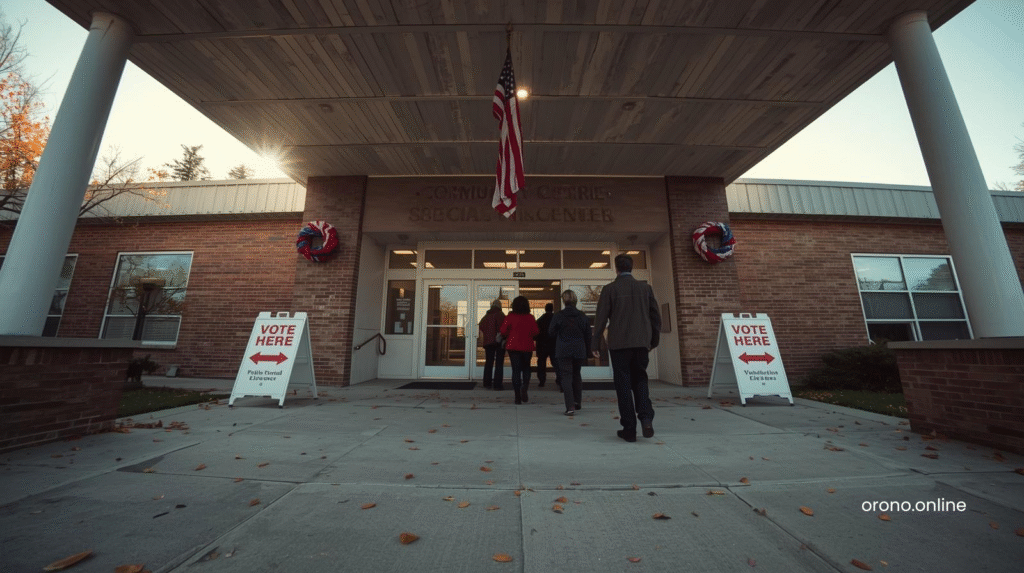
Participating in a Minnesota special election and having your voice reflected in Minnesota Special Election Results requires being registered to vote in the affected district. Minnesota’s voter-friendly registration system makes this as accessible as possible for eligible residents.
Minnesota offers same-day voter registration, meaning residents who are not pre-registered can register at their polling place on special election day with appropriate documentation confirming identity and current address. This same-day registration option removes one of the most common barriers to participation in special elections, where the short timeline between the announcement of the election and election day may not leave sufficient time for voters to complete advance registration.
Pre-registering through the Minnesota Secretary of State’s online voter registration system before the special election is still recommended for the smoothest possible voting experience. Checking current registration status and updating address information ensures that your registration accurately reflects your current residence in the affected district.
Eligible voters must be United States citizens, Minnesota residents for at least twenty days before the election, and at least eighteen years old on election day. Voters with past felony convictions should check current Minnesota law regarding voting rights restoration, as the rules in this area have been subject to legislative change in recent years.
7. Absentee and Early Voting in Minnesota Special Elections
Minnesota’s absentee voting system applies to special elections just as it does to regular election cycles, giving all registered voters the option to vote before election day without providing a reason for requesting an absentee ballot.
Requesting an absentee ballot as early as possible after a special election is announced maximizes the time available to receive, complete, and return the ballot before the deadline. Absentee ballots returned after the deadline cannot be counted regardless of when they were requested or mailed, making timely return the most critical aspect of absentee participation in Minnesota special elections.
Early in-person voting at designated county locations provides another option for voters who want the convenience of voting before election day without the uncertainty of mail delivery timelines. Checking with the relevant county auditor’s office for specific early voting locations and hours for a particular Minnesota special election ensures that this option is used correctly.
8. How Candidates Campaign in Minnesota Special Elections
The compressed timeline of Minnesota special elections creates campaign conditions that differ significantly from regular election cycles and that shape the kind of candidates, messages, and strategies that tend to succeed in producing favorable Minnesota Special Election Results.
With less time to build name recognition from scratch, Minnesota special election candidates who already have community profiles — through previous electoral experience, civic leadership, professional prominence, or community activism — tend to have significant advantages over complete newcomers to public life. The ability to activate existing networks quickly is often the determining factor in who can mount a credible campaign in the available time.
Party organizations play a particularly intensive role in Minnesota special elections, given that candidate campaigns have limited time to build independent infrastructure. Party-provided voter contact lists, volunteer networks, campaign expertise, and financial resources can be deployed rapidly and often determine which candidates have the organizational capacity to reach voters effectively before election day.
Door-to-door canvassing remains one of the most effective voter contact methods in Minnesota special elections, particularly in legislative districts small enough that intensive personal contact with a meaningful percentage of likely voters is achievable within the compressed campaign timeline.
9. Following Minnesota Special Election Results on Election Night
Election night coverage of Minnesota Special Election Results requires understanding the sequence in which results become available and the difference between preliminary results reported throughout the evening and the certified final results that represent the official outcome.
Precinct results in Minnesota special elections begin appearing on the Secretary of State’s website as county auditors transmit their results following poll closing. Initial results typically represent precincts where in-person election day votes have been counted, while absentee and mail ballots are reported separately as they are processed.
The pace at which Minnesota Special Election Results appear on election night varies by county and precinct size. Large precincts in populous areas may take longer to report than smaller rural precincts, meaning that early election night results can sometimes be misleading about the ultimate outcome if they overrepresent one type of community within the district.
Following election night coverage through a combination of the official Secretary of State results page and local news reporting provides the most complete and accurately contextualized picture of how Minnesota Special Election Results are developing throughout the evening.
10. What Comes After Minnesota Special Election Results Are Certified
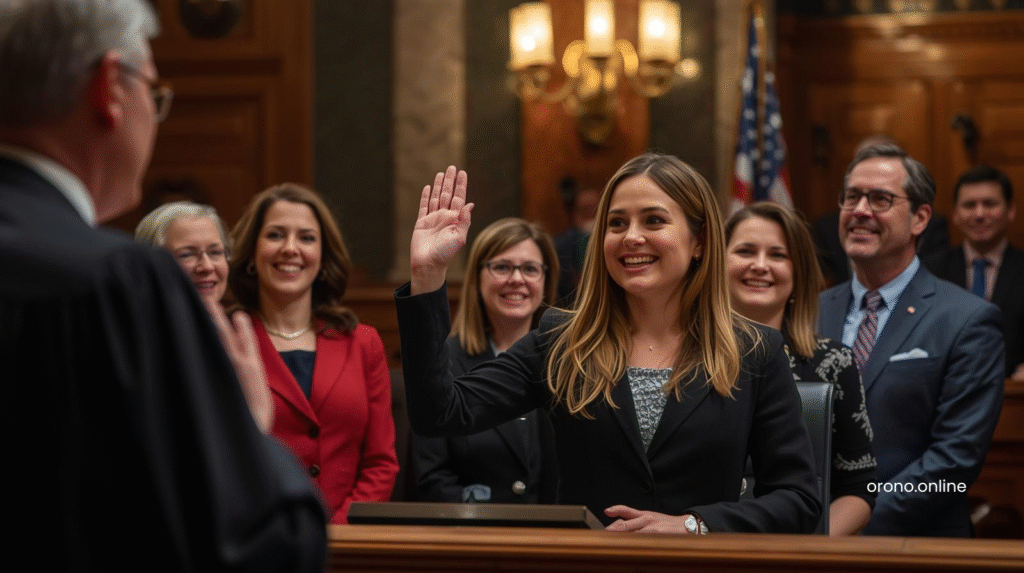
The certification of Minnesota Special Election Results is not the end of the process — it is the beginning of the winning candidate’s service to their district and the formal transfer of the responsibilities that come with their elected office.
Certified winners of Minnesota special elections are typically sworn into office relatively quickly after certification, given that the vacancy they are filling has already left the affected district without full legislative representation for some period of time. The urgency that triggered the special election in the first place applies equally to the installation of the winning candidate.
The winning candidate enters office at whatever point remains in the term of the legislator whose vacancy they are filling. In some cases, this means serving a relatively short remaining term before facing re-election in the next regular election cycle. In others, the remaining term may be substantial, providing the new legislator with meaningful time to establish themselves in the role before facing voters again.
Understanding the term context of Minnesota Special Election Results helps voters assess what the outcome means for the long-term political representation of the affected district and the career trajectory of the winning candidate.
What Every Minnesota Voter Should Know Before a Special Election
Preparation Checklist
- Verify current voter registration status through the Minnesota Secretary of State website
- Confirm polling place assignment through your county auditor before election day
- Research all candidates through official campaign materials and local news coverage
- Attend candidate forums or community events where candidates appear if available
- Request an absentee ballot early if election day participation is uncertain
On Special Election Day
- Bring acceptable identification to your polling place
- Allow sufficient time to vote without rushing
- Ask polling place staff for assistance if any question arises about the voting process
- Confirm your ballot was properly submitted before leaving
LSI Keywords for Minnesota Special Election Results
| LSI Keyword | Search Intent | Where to Use |
|---|---|---|
| Minnesota special election | Navigational | Introduction, Meta |
| MN special election results | Informational | Results Section |
| Minnesota Secretary of State results | Informational | Results Section |
| Minnesota legislative special election | Informational | Throughout Article |
| Minnesota voter registration | Transactional | Registration Section |
| Minnesota absentee voting | Transactional | Absentee Section |
| Minnesota election results tonight | Informational | Election Night Section |
| Minnesota House special election | Informational | Legislative Section |
| Minnesota Senate special election | Informational | Legislative Section |
| Hennepin County election results | Informational | Results Section |
| Minnesota polling place finder | Transactional | Registration Section |
| Minnesota special election candidates | Informational | Candidates Section |
Supporting Healthy Democracy Through Minnesota Special Elections
Minnesota Special Election Results reflect the participation decisions of individual voters across the affected district. Every eligible resident who registers, researches candidates, and votes contributes to an outcome that more genuinely represents the community’s preferences and values.
Encouraging participation among community members who might otherwise overlook a special election — particularly given the lower-profile nature of these elections compared to regular cycles — strengthens the representative quality of Minnesota Special Election Results and produces better governance outcomes for the affected district.
Sharing accurate information about registration deadlines, polling places, candidate backgrounds, and the significance of the vacant seat with people who might not actively seek it out is one of the most meaningful contributions any engaged Minnesota citizen can make to the democratic health of their community.
Conclusion
Minnesota Special Election Results matter. They fill vacancies that leave communities without full legislative representation. They can shift the balance of power in a legislative chamber. They reveal community sentiment about candidates and issues in ways that carry real implications for future electoral competition. And they represent the fundamental democratic principle that elected positions should be held by people who have earned a genuine mandate from voters.
Following Minnesota Special Election Results carefully, understanding what they mean, and participating actively in the special elections that affect your district is not just civic responsibility. It is a genuine investment in the quality of representation your community receives and the governance outcomes that shape daily life throughout the state.
So register. Research the candidates. Show up when your district is called to vote.
Minnesota’s democratic future is built one election at a time — and special elections are among the most important building blocks of all.
Frequently Asked Questions About Minnesota Special Election Results
Q1. What causes a Minnesota special election?
A Minnesota special election is triggered by a vacancy in an elected office, most commonly caused by the death, resignation, or removal of a sitting state legislator.
Q2. Where can I find official Minnesota Special Election Results?
Official results are published by the Minnesota Secretary of State’s office on their election results website on election night and updated through the official certification process.
Q3. How long does it take for Minnesota Special Election Results to be certified?
Certified results are typically available within two weeks of election day after all ballots are counted and the official canvassing process is complete.
Q4. Can I register to vote on the day of a Minnesota special election?
Yes. Minnesota allows same-day voter registration at your polling place with appropriate identification and proof of current address in the affected district.
Q5. Can I vote absentee in a Minnesota special election?
Yes. Any registered Minnesota voter can request an absentee ballot for a special election without providing a reason. Request your ballot as early as possible after the election is announced.
Q6. Are Minnesota special elections partisan or nonpartisan?
State legislative special elections in Minnesota are partisan with party affiliations on the ballot. Some local special elections are conducted on a nonpartisan basis.
Q7. How does a Minnesota special election affect the legislative balance?
A single seat gained or lost in a Minnesota special election can shift the majority in a closely divided legislative chamber, changing which party controls the legislative agenda.
Q8. How do I find my polling place for a Minnesota special election?
Use the polling place finder on the Minnesota Secretary of State’s website or contact your county auditor’s office with your current address to find your assigned polling place.
Q9. How quickly is the winner of a Minnesota special election sworn in?
Winners are typically sworn in relatively quickly after certification given the urgency of filling the vacant seat and restoring full legislative representation to the affected district.
Q10. How do Minnesota Special Election Results compare to regular election results?
Special elections typically produce significantly lower voter turnout than regular cycles, which can make results less representative of broad community sentiment and give motivated organized voter blocs outsized influence.