Standing on the shoreline where generations have gathered, watching sunset paint the water in brilliant oranges and golds, you’re experiencing the same view that captivated settlers, steamboat passengers, and resort visitors throughout centuries of Lake Minnetonka history. This isn’t just water and wilderness—it’s a living timeline where every ripple carries echoes of indigenous canoes, Victorian steamboats, and modern sailboats gliding across the same pristine surface.
The connection between Orono and Lake Minnetonka runs deeper than geography. It’s written in family stories passed down through generations, preserved in faded photographs of summer cottages, and celebrated in community traditions that honor this extraordinary natural treasure. Understanding Lake Minnetonka history means discovering how this remarkable lake transformed a remote wilderness into one of Minnesota’s most desirable communities, attracting families who recognised that lakeside living offers something money alone cannot buy—a profound sense of place, belonging, and natural beauty.
Indigenous Heritage and Early Orono Lake Minnetonka History
Long before European explorers documented their discoveries, indigenous peoples inhabited the shores that would become central to Lake Minnetonka history. The Dakota people called this water body “Minne Tonka,” meaning “Big Water,” a name reflecting both the lake’s physical expanse and its spiritual significance within their culture and daily survival.
For countless generations before recorded Lake Minnetonka history began, Native communities thrived along these shorelines. The lake provided abundant fish including walleye, northern pike, and bass that supplemented diets throughout seasons. Waterfowl migrated through in enormous flocks, offering hunting opportunities during spring and fall passages. Wild rice grew in shallow bays, providing nutritious grain harvested through traditional methods passed through generations.
Indigenous Activities Around the Lake:
- Fishing using spears, nets, and traditional methods
- Harvesting wild rice from shallow water areas
- Hunting waterfowl during migration seasons
- Gathering medicinal plants along shorelines
- Establishing seasonal camps near water resources
- Using canoes for transportation across the lake
- Conducting spiritual ceremonies at sacred sites
The arrival of European settlers disrupted these ancient patterns within Lake Minnetonka history. Treaties forced indigenous populations from ancestral lands, severing connections maintained for millennia. This painful chapter reminds us that the beautiful landscapes we now enjoy carry complex histories involving displacement, loss, and cultural trauma that preceded the community development we celebrate today.
Pioneer Settlement Era in Orono Lake Minnetonka History
The 1850s marked the beginning of documented European settlement in Lake Minnetonka history, as adventurous pioneers ventured into Minnesota Territory seeking opportunities unavailable in crowded eastern states. These hardy families faced immense challenges establishing homesteads in wilderness areas where the nearest neighbors lived miles away and supplies required arduous journeys.
Early settlers in Orono Lake Minnetonka history recognized immediately that the lake represented far more than scenic beauty. It provided transportation when roads barely existed, fish supplementing limited food supplies, and water for livestock and crops. Winter ice enabled travel across the frozen surface, creating shortcuts between communities isolated by forests and rough terrain during warmer months.
Log cabins dotted the shoreline as Lake Minnetonka history progressed through the 1860s and 1870s. Families cleared forests, planted crops, raised livestock, and slowly transformed wilderness into productive farmland. The work proved backbreaking—felling trees, pulling stumps, plowing virgin soil, and constructing buildings without power tools or modern equipment that we take for granted today.
Steamboat Era Transforming Orono Lake Minnetonka History
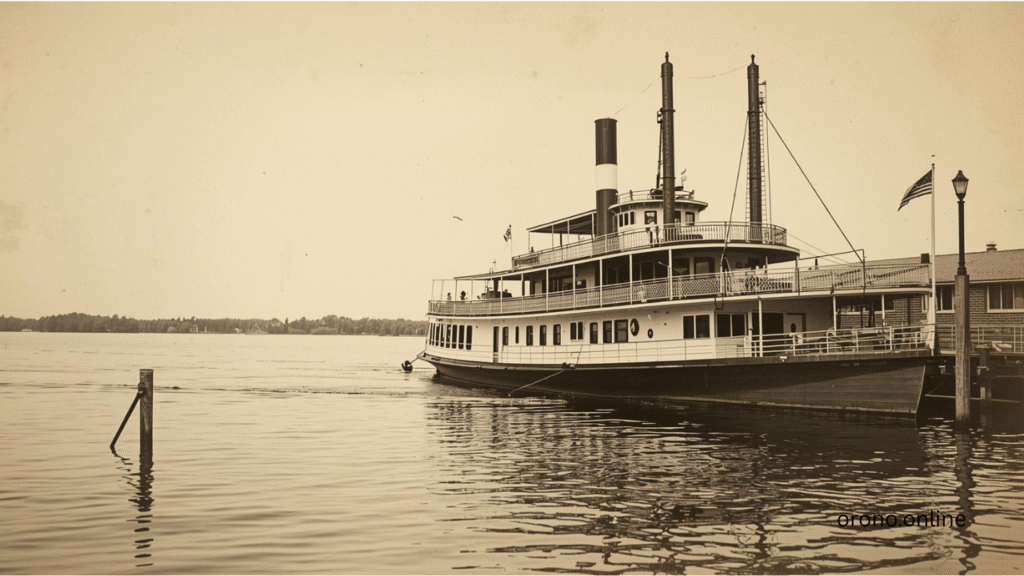
The introduction of steamboat service in the 1860s revolutionized Orono Lake Minnetonka history, connecting isolated lakeside communities to Minneapolis, St. Paul, and each other through regular passenger and freight service. These magnificent vessels—some exceeding 200 feet in length—brought commerce, tourism, and sophisticated culture to previously remote areas.
Tourism Boom in Orono Lake Minnetonka History
Wealthy Minneapolis and St. Paul residents discovered the lake’s recreational potential during the late 1800s, transforming Orono Lake Minnetonka history through tourism development. Grand resort hotels emerged along the shoreline, offering wealthy urbanites escape from city heat, industrial pollution, and social pressures of rapidly growing metropolitan areas.
The Hotel St. Louis became legendary in Lake Minnetonka history, accommodating over 300 guests in Victorian splendor with elegant dining rooms, spacious verandas, and manicured grounds where visitors played croquet, tennis, and other fashionable pastimes. Steamboats delivered guests directly to hotel docks, their whistles announcing arrivals that brought excitement to quiet lakeside communities.
Major Developments During Steamboat Era:
| Time Period | Development | Impact on Community |
|---|---|---|
| 1860s | First steamboat service | Connected isolated communities |
| 1870s | Resort hotel construction | Tourism economy emerged |
| 1880s | Peak steamboat operations | Hundreds of daily passengers |
| 1890s | Wealthy summer cottages | Permanent seasonal residents |
| 1900s | Yacht clubs established | Recreational boating culture |
Summer Cottage Culture in Orono Lake Minnetonka History
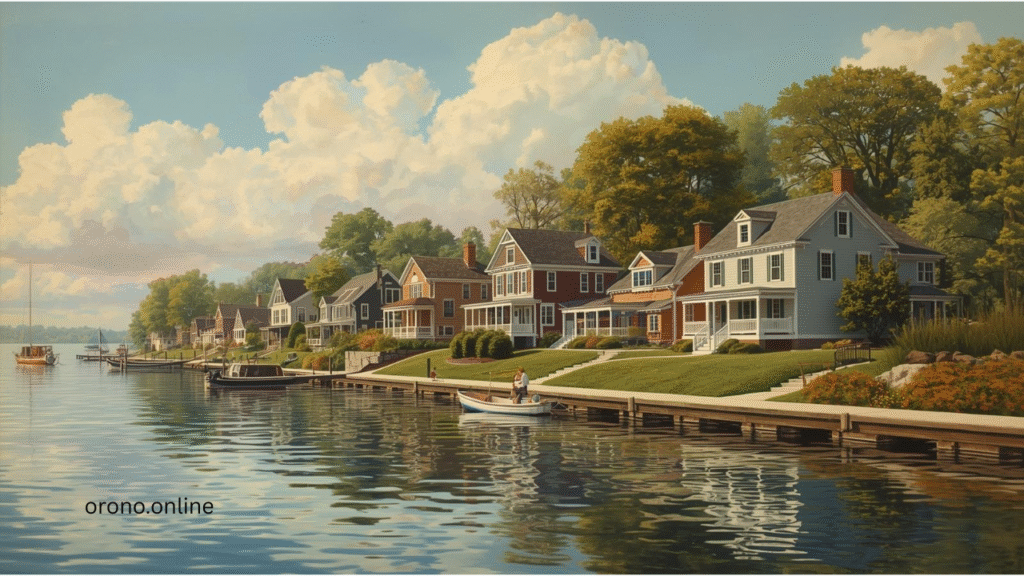
Wealthy families began constructing elaborate summer cottages throughout Orono Lake Minnetonka history, establishing seasonal residences where they spent entire summers away from urban homes. These substantial structures—far grander than the “cottage” name suggests—featured multiple bedrooms, spacious living areas, and architectural details reflecting Victorian and early 20th-century design trends.
The summer cottage phenomenon in Orono Lake Minnetonka history created unique social dynamics. Seasonal residents brought sophistication, culture, and economic resources that influenced local communities profoundly. They purchased supplies from local merchants, employed residents for construction and maintenance, and introduced cosmopolitan attitudes to previously isolated rural areas.
Recreation and Leisure Development in Orono Lake Minnetonka History
As the 20th century progressed, recreational activities became central to Lake Minnetonka history, with sailing, motorboating, swimming, and fishing defining summer life for residents and visitors alike.
Yacht Clubs and Sailing in Orono Lake Minnetonka History
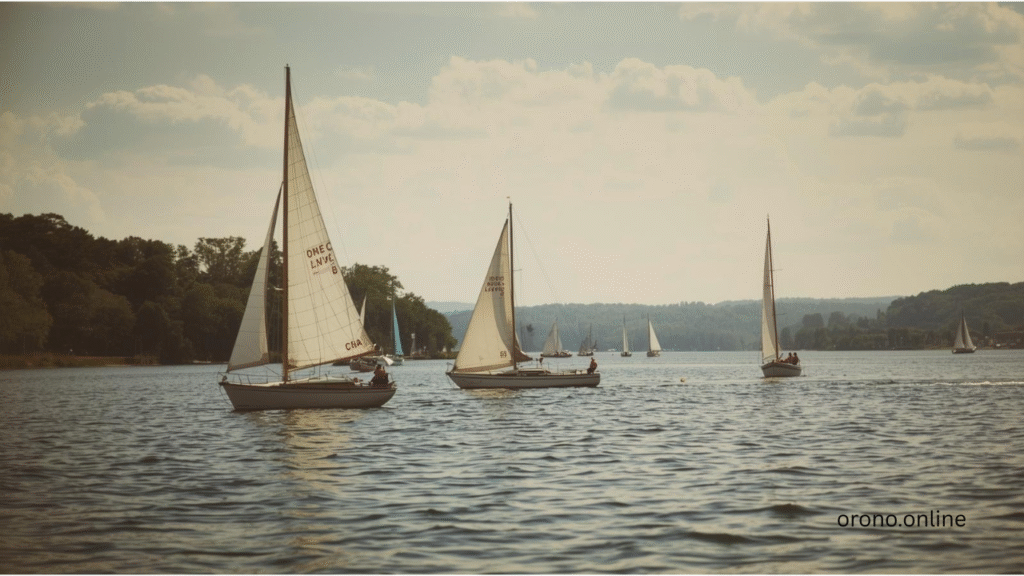
Sailing traditions run deep through Orono Lake Minnetonka history, with yacht clubs organizing races, regattas, and social events that became beloved community traditions. These organizations brought together lake residents around shared passion for sailing, creating bonds transcending economic and social differences through common love of wind-powered water travel.
The competitive sailing scene in Orono Lake Minnetonka history attracted serious sailors who invested in racing boats and dedicated countless hours perfecting techniques. Weekly races during summer months drew spectators to shorelines, where families watched colorful sails navigating courses marked by buoys bobbing in the waves.
Motorboating Revolution in Orono Lake Minnetonka History
The advent of motorboats transformed Lake Minnetonka history by democratizing lake access. No longer did water recreation require sailing skills or rowing stamina—anyone with a motorboat could explore the lake’s bays, channels, and islands at will. This accessibility brought new families to lakeside properties, expanding communities and changing recreational patterns.
Speed and convenience appealed to modern sensibilities within Orono Lake Minnetonka history. Motorboats enabled quick trips between communities, pulled water skiers behind them, and provided fishing access to distant productive areas. The distinctive sound of outboard motors became the summer soundtrack replacing the gentle splash of oars and rustle of canvas sails.
Environmental Challenges Throughout Orono Lake Minnetonka History
Not all chapters in Orono Lake Minnetonka history celebrate progress—some document challenges threatening the natural treasure that makes the community special. Population growth, development pressures, and changing land uses created environmental stresses requiring collective action and difficult choices.
Water Quality Concerns in Orono Lake Minnetonka History
The mid-20th century brought growing concerns about water quality within Lake Minnetonka history. Increased development around the shoreline, septic systems inadequately treating wastewater, and runoff carrying fertilizers and pollutants threatened the crystal-clear waters that attracted people originally. Algae blooms appeared with disturbing frequency, turning water green and creating unpleasant conditions for swimming and boating.
Community members organized to protect lake health throughout this period in Orono Lake Minnetonka history. They advocated for sewer systems replacing septic tanks, supported regulations limiting phosphorus in fertilizers and detergents, and participated in monitoring programs tracking water quality trends. These efforts demonstrated that residents valued environmental stewardship alongside property rights and development freedoms.
Conservation Efforts in Orono Lake Minnetonka History
Recent decades in Orono Lake Minnetonka history have emphasized conservation and restoration. The Lake Minnetonka Conservation District coordinates protection efforts, enforces regulations, and educates residents about practices preserving lake health for future generations. Shoreline buffers, stormwater management, and invasive species control represent ongoing priorities.
Milfoil infestation became a serious threat within modern Orono Lake Minnetonka history, with this aggressive aquatic plant choking waterways and interfering with recreation. Control efforts require ongoing vigilance and substantial financial investments, demonstrating that environmental protection demands continuous commitment rather than one-time fixes.
Real Estate Evolution in Orono Lake Minnetonka History
Property values and development patterns tell important economic stories throughout Orono Lake Minnetonka history, reflecting changing preferences, transportation improvements, and demographic shifts.
From Summer Cottages to Year-Round Homes
A significant transition in Orono Lake Minnetonka history occurred when seasonal cottages converted to permanent residences. Improved heating systems, reliable electricity, and plowed roads made winter living feasible, enabling families to enjoy lakeside locations year-round rather than abandoning them during cold months.
This shift transformed community character within Orono Lake Minnetonka history. Schools needed expansion to accommodate children whose families no longer departed after Labor Day. Municipal services required year-round staffing rather than seasonal operations. Local businesses adjusted to serving permanent populations instead of primarily summer tourists.
Modern Development Pressures
Contemporary Orono Lake Minnetonka history reflects intense development pressures as limited lakefront property becomes increasingly valuable. Modest cottages from earlier eras disappear, replaced by substantial homes maximizing allowable building envelopes. Property values soar beyond reach for average families, creating communities increasingly dominated by affluent residents.
Lakefront Property Value Trends:
- 1950s: Modest cottages, accessible pricing
- 1970s: Growing interest, moderate appreciation
- 1990s: Substantial homes, significant values
- 2010s: Luxury estates, premium pricing
- 2020s: Million-dollar median, fierce competition
Zoning debates dominate current Orono Lake Minnetonka history as communities balance property rights against character preservation. Residents disagree about appropriate building sizes, tree removal policies, and development density, reflecting tensions between growth accommodation and tradition protection.
Community Identity Rooted in Orono Lake Minnetonka History
The lake shapes community identity profoundly within Orono Lake Minnetonka history, influencing everything from recreational patterns to social structures and civic priorities.
Social Traditions and Lake Culture
Boating traditions define summer life throughout Orono Lake Minnetonka history. Families maintain boats as central to seasonal routines, spending evenings cruising bays, weekends water skiing, and holidays gathering on the water. Children learn to swim, boat, and fish as essential life skills passed through generations.
Yacht club memberships and boat ownership serve as social currency within Orono Lake Minnetonka history, creating networks and hierarchies somewhat foreign to non-lake communities. Conversations naturally revolve around water conditions, fishing success, and boating adventures, reinforcing shared identity around aquatic recreation.
Preservation and Heritage
Historical preservation efforts throughout modern Orono Lake Minnetonka history protect buildings, boats, and traditions connecting current residents to earlier eras. Museums display artifacts from steamboat days, old photographs document resort hotels and summer cottages, and restored vessels participate in heritage events celebrating lake history.
These preservation initiatives within Orono Lake Minnetonka history serve important purposes beyond nostalgia. They educate newer residents about community heritage, create intergenerational connections between longtime families and recent arrivals, and remind everyone that today’s experiences build upon foundations laid by earlier generations who loved the lake just as passionately.
Modern Recreation and Orono Lake Minnetonka History
Contemporary recreational patterns continue evolving within Orono Lake Minnetonka history as new technologies, changing preferences, and environmental awareness shape how residents enjoy the water.
Paddlesports Growth in Recent Orono Lake Minnetonka History
Kayaking and paddleboarding have exploded in popularity throughout recent Orono Lake Minnetonka history, offering quiet, low-impact ways to explore shorelines and shallow bays. These activities appeal to environmentally conscious residents seeking exercise and nature connection without the noise, expense, and fuel consumption associated with motorboats.
The paddlesports boom in Orono Lake Minnetonka history reflects broader societal trends toward fitness, sustainability, and experiential recreation. Families paddle together, individuals find solitude in quiet coves, and organized events like moonlight paddles create new traditions complementing rather than replacing powerboating heritage.
Fishing Heritage Continues
Sport fishing remains central to Orono Lake Minnetonka history despite changing lake ecology and fishing regulations. Anglers pursue walleye, bass, northern pike, and panfish using techniques ranging from traditional rod-and-reel to modern electronics locating fish with sonar precision. Ice fishing transforms winter landscapes, with shelters dotting frozen surfaces where dedicated anglers brave bitter cold pursuing their passion.
Fishing tournaments throughout Orono Lake Minnetonka history generate excitement and competition while raising funds for lake conservation and youth programs. These events celebrate fishing heritage while acknowledging responsibility to protect fish populations through catch-and-release practices and adherence to size and bag limits.
Looking Forward: Future Chapters in Orono Lake Minnetonka History
As we write new chapters in Orono Lake Minnetonka history, balancing competing priorities requires wisdom, compromise, and commitment to values transcending individual interests. Climate change brings new challenges with warming waters, changing ice patterns, and unpredictable weather affecting recreation and lake ecology.
Development pressures will continue throughout future Orono Lake Minnetonka history as metropolitan expansion reaches further into previously rural areas. Communities must decide how much growth to accommodate while preserving character that makes lakeside living special. These decisions will shape experiences for generations yet unborn.
Water quality protection remains paramount in future Orono Lake Minnetonka history. Current residents serve as temporary stewards of natural resources they inherited from earlier generations and must pass intact to children and grandchildren. This responsibility demands ongoing vigilance, appropriate regulations, and collective commitment placing long-term lake health above short-term convenience.
Frequently Asked Questions About Orono Lake Minnetonka History
Q1: When did European settlement begin?
Orono Lake Minnetonka history shows European settlement starting in the 1850s with pioneer homesteaders.
Q2: What does Minnetonka mean?
The Dakota word “Minne Tonka” means “Big Water” in Orono Lake Minnetonka history.
Q3: When did steamboats operate?
Steamboats dominated Orono Lake Minnetonka history from the 1860s through early 1900s.
Q4: Were there resort hotels?
Yes, grand resort hotels like Hotel St. Louis defined tourism in Orono Lake Minnetonka history.
Q5: When did year-round living begin?
Orono Lake Minnetonka history shows seasonal cottages converting to year-round homes in the mid-1900s.
Q6: What were main recreational activities?
Sailing, fishing, swimming, and boating have defined recreation throughout Orono Lake Minnetonka history.
Q7: How has water quality changed?
Orono Lake Minnetonka history documents water quality challenges requiring ongoing conservation efforts.
Q8: What about indigenous peoples?
Dakota people inhabited these lands for centuries before European settlement began Orono Lake Minnetonka history.
Q9: How have property values changed?
Orono Lake Minnetonka history shows property values rising dramatically, especially for waterfront parcels.
Q10: What’s the future outlook?
Future Orono Lake Minnetonka history depends on balancing development with environmental protection and character preservation.