Walking along Lake Minnetonka’s shores where your grandparents once picnicked, discovering stories behind familiar landmarks, and connecting present-day experiences to decades-old events creates a profound sense of belonging that transforms a house into a hometown. Orono Minnesota history isn’t just dates and dusty documents—it’s the living legacy that explains why our lakeside community looks, feels, and functions exactly as it does today.
Every street name, preserved building, and community tradition carries hidden stories waiting for curious minds to uncover. That beautiful park where your children play? It was once farmland worked by pioneer families who built lives from wilderness. The historic school building? It witnessed generations preparing for futures their ancestors could barely imagine.
This comprehensive guide explores the rich tapestry of Orono Minnesota history, from early Native American inhabitants through pioneer settlement, agricultural development, suburban transformation, and modern evolution into the vibrant lakeside community we cherish today.
Early Settlement and Founding of Orono Minnesota History
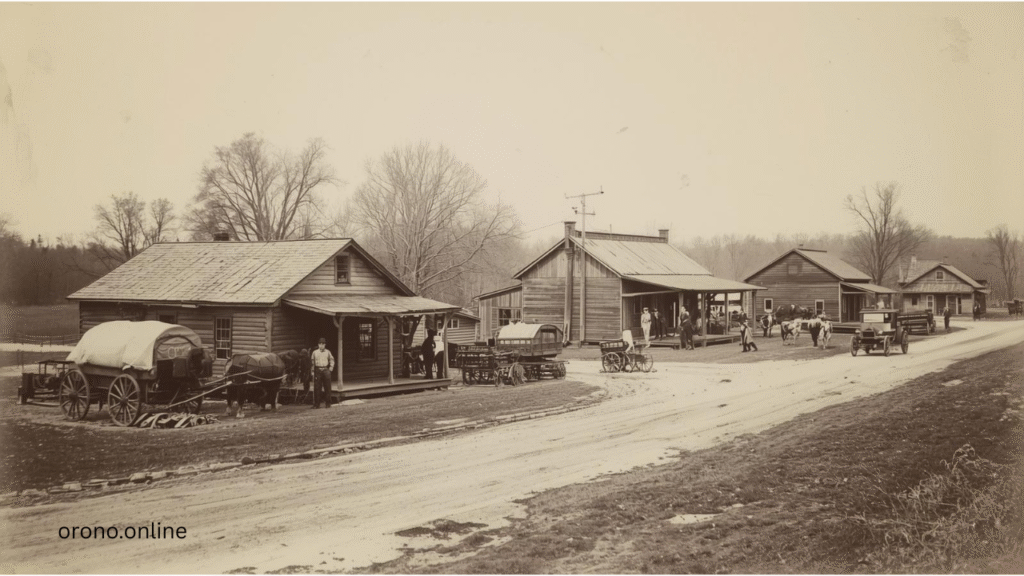
The documented beginning of Orono Minnesota history commenced in the mid-1800s when pioneering settlers ventured westward seeking opportunities in Minnesota Territory’s abundant lands. These hardy families faced enormous challenges establishing homesteads in wilderness areas far from established civilization’s comforts and conveniences.
The region’s natural features attracted early settlers to what would become Orono Minnesota. Lake Minnetonka’s pristine waters provided fishing, transportation, and recreational opportunities, while surrounding forests offered timber for construction and fuel. Rich soil promised agricultural productivity for families willing to clear land and cultivate crops in challenging frontier conditions.
Initial settlement patterns in Orono Minnesota concentrated near lake access points where water transportation enabled connections to St. Paul and other developing communities. These early residents built simple log structures, cleared forests for farmland, and established the subsistence agriculture sustaining their families through harsh Minnesota winters.
The name “Orono” itself carries significance within Orono Minnesota, borrowed from a Maine town that honored Chief Joseph Orono of the Penobscot Nation. This naming choice reflected settlers’ New England origins and their practice of transplanting familiar place names to new frontier locations, creating continuity between old homes and new communities.
Religious institutions emerged early in Orono Minnesota, with churches serving as both spiritual centers and community gathering places where isolated settlers shared news, celebrated occasions, and supported each other through difficulties. These buildings became focal points around which social life organized, providing stability and moral guidance as the community established its identity.
Agricultural Development Throughout Orono Minnesota History
Agriculture formed the economic foundation of early Minnesota history, with family farms producing crops and livestock supporting local consumption and generating modest export income through connections to regional markets.
Farming Practices in Orono Minnesota History
Early agricultural methods in Orono Minnesota history relied on manual labor and animal power, with families working from sunrise to sunset during growing seasons to plant, cultivate, and harvest crops ensuring winter survival. Wheat, corn, potatoes, and hay represented primary crops, while dairy cattle, chickens, and pigs provided meat, milk, and eggs.
The challenging climate in Orono Minnesota history required farmers to adapt practices to short growing seasons, unpredictable spring weather, and harsh winters that tested both crops and livestock. Root cellars preserved vegetables, while smoking and salting meat enabled families to maintain food supplies through long months when fresh production ceased.
Farming communities in Orono Minnesota history developed strong mutual support traditions, with neighbors assisting during labor-intensive periods like harvests, barn raisings, and threshing. These cooperative practices strengthened social bonds while enabling individual families to accomplish tasks impossible through isolated effort.
Agricultural Decline in Orono Minnesota History
The mid-20th century brought significant changes to Minnesota history as small family farms became economically unviable compared to larger operations in rural Minnesota and Midwest states. Improved transportation enabled food distribution from distant producers, reducing reliance on local agricultural production.
Many farms in Orono Minnesota history ceased operations as younger generations pursued education and careers beyond agriculture. Parents who worked farms their entire lives watched children choose different paths, ending multi-generational agricultural traditions that defined community identity for decades.
Farmland conversion marked a pivotal transition in Orono Minnesota history, with agricultural parcels subdividing into residential lots as metropolitan expansion reached the community. This transformation from rural agricultural area to suburban bedroom community fundamentally altered character, demographics, and economic base.
Lake Minnetonka’s Influence on Orono Minnesota History
Lake Minnetonka has profoundly shaped Orono Minnesota history, providing both practical resources and recreational amenities that defined community character and attracted residents across different eras.
Early Lake Use in Orono Minnesota History
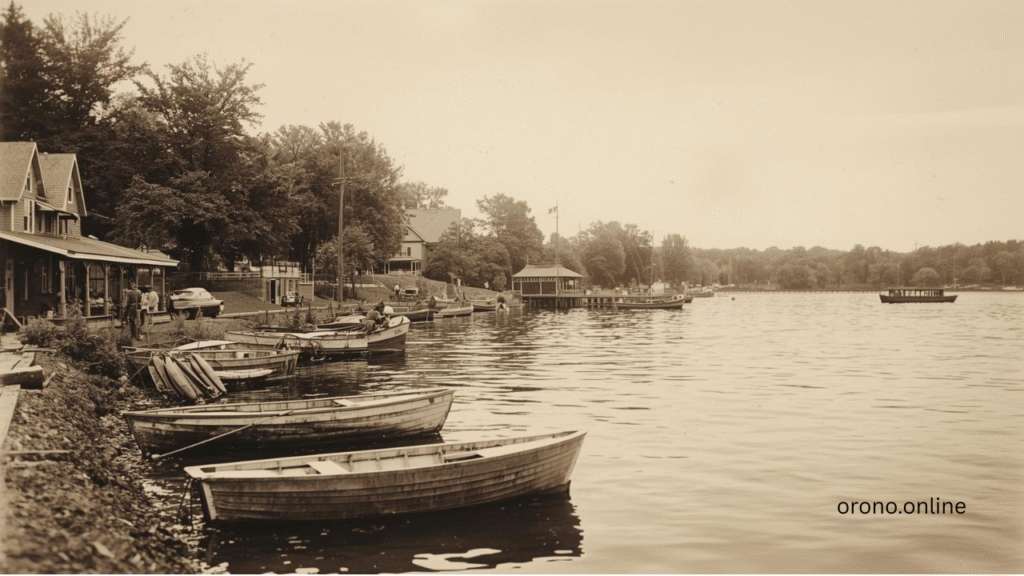
Initial settlers in Orono Minnesota utilized the lake primarily for fishing, with abundant walleye, northern pike, and panfish supplementing agricultural food production. Ice harvesting represented another important lake-based industry, with workers cutting blocks during winter for storage in insulated buildings providing pre-refrigeration food preservation.
Water transportation played crucial roles in early Orono Minnesota, with boats connecting lakeside communities and enabling commerce before road networks developed. Steamboats brought tourists, goods, and mail, integrating isolated communities into broader regional economies and social networks.
Recreational Development in Orono Minnesota History
The late 19th and early 20th centuries witnessed Lake Minnetonka’s transformation into a premier recreational destination within Orono Minnesota history. Wealthy Minneapolis and St. Paul residents built summer cottages along the shores, establishing seasonal communities that brought economic activity and sophisticated culture to previously isolated areas.
Resort hotels emerged during this period in Orono Minnesota, attracting tourists seeking respite from urban heat and industrial environments. These establishments employed local residents, purchased agricultural products from nearby farms, and exposed rural communities to cosmopolitan influences from urban visitors.
Sailing and motorboating became popular activities shaping Orono Minnesota, with yacht clubs organizing races and social events that became community traditions. These recreational pursuits attracted affluent families who eventually converted summer cottages into year-round residences, fundamentally changing community demographics.
Educational Development in Orono Minnesota History
Education has played central roles throughout Orono Minnesota history, with schools serving as both practical necessities and symbols of community commitment to children’s futures.
Early Schools in Orono Minnesota History
One-room schoolhouses dotted the landscape in early Orono Minnesota with individual buildings serving small geographic areas where children walked distances to receive basic education. Teachers—often young women receiving modest compensation—instructed students across multiple grade levels simultaneously in cramped conditions with limited materials.
These simple structures in Orono Minnesota served multiple community functions beyond education, hosting social gatherings, town meetings, and religious services when dedicated buildings didn’t exist. Communities took pride in maintaining school facilities, recognising education’s importance even when economic circumstances made investments challenging.
Modern Educational System in Orono Minnesota History
The consolidation of small schools into larger facilities marked a significant transition in Orono Minnesota history during the mid-20th century. Improved transportation via school buses enabled students to travel greater distances to centralised buildings offering specialised teachers, better equipment, and expanded curricula impossible in one-room schools.
Contemporary Orono Minnesota history reflects exceptional educational quality, with the Orono Public Schools district consistently ranking among Minnesota’s finest. This reputation attracts families prioritizing education when selecting residential communities, directly impacting property values and community demographics.
The relationship between educational excellence and community character represents an important theme in modern Orono Minnesota. Parents willingly accept higher housing costs in exchange for schools they trust will prepare children for competitive college admissions and successful careers.
Transportation Evolution Through Orono Minnesota History
Transportation infrastructure fundamentally shaped Orono Minnesota history by determining accessibility, economic opportunities, and connections to broader metropolitan areas.
Early Transportation in Orono Minnesota History
Unpaved roads and trails characterized early transportation in Orono Minnesota history, with travel difficult during spring mud seasons and winter snow accumulations. Horse-drawn wagons transported goods and passengers, though journeys required considerable time even for relatively short distances by modern standards.
Lake Minnetonka provided important transportation corridors in Orono Minnesota history before adequate road networks developed. Boats moved people and goods more efficiently than overland routes, making waterfront locations particularly valuable for commerce and communication.
Railroad Era in Orono Minnesota History
Railroad construction transformed Orono Minnesota history by providing reliable year-round transportation independent of weather conditions affecting roads and lake navigation. Tracks connected the community to Minneapolis, St. Paul, and beyond, enabling both agricultural exports and manufactured goods imports previously unavailable or prohibitively expensive.
The railroad station became a community hub in Orono Minnesota, with train arrivals bringing visitors, mail, newspapers, and commercial products. Excitement accompanied scheduled trains as residents gathered to greet travelers, collect packages, and participate in connections to the larger world.
Automobile Age in Orono Minnesota History
Automobile adoption revolutionized Orono Minnesota by enabling individual mobility independent of railroad schedules or boat availability. Road paving and improvement became priorities as car ownership expanded, fundamentally changing community spatial organization and daily life patterns.
Highway development opened Minnesota to tourism, facilitated commuting to Twin Cities employment, and enabled residents to access services and entertainment previously requiring overnight stays. However, automobile dependence also created parking challenges, traffic concerns, and environmental impacts affecting community planning today.
Residential Development and Suburban Transformation in Orono Minnesota History
The mid-to-late 20th century brought dramatic changes to Orono Minnesota history as metropolitan expansion transformed agricultural areas into suburban residential communities.
Post-War Growth in Orono Minnesota History
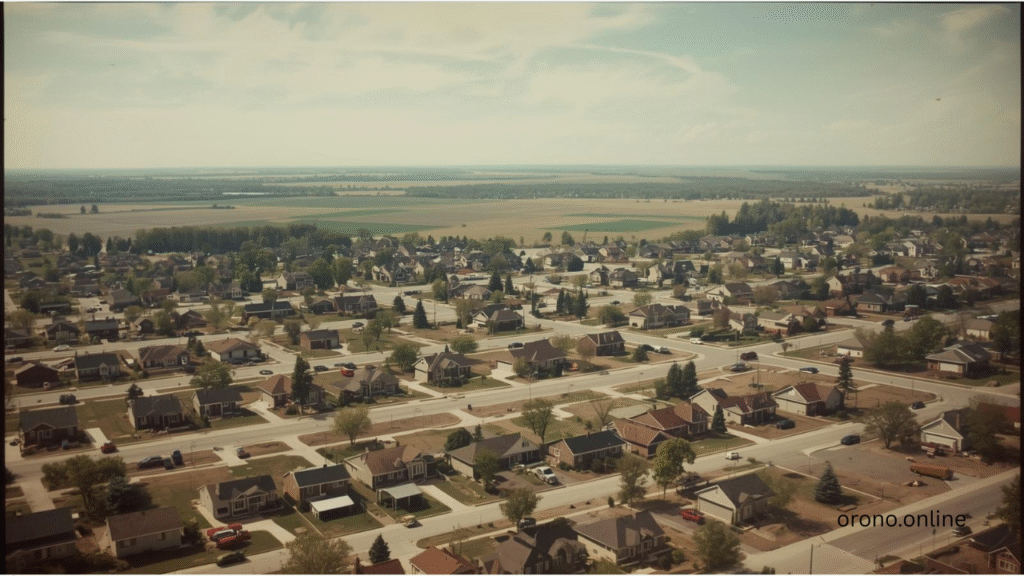
Following World War II, Orono Minnesota history accelerated dramatically as returning veterans, growing families, and economic prosperity fueled suburban development. Farmlands subdivided into residential lots as developers recognized opportunities creating bedroom communities for Twin Cities commuters seeking space, safety, and quality schools.
This transformation period in Orono Minnesota history witnessed rapid population growth, straining infrastructure, schools, and municipal services designed for smaller populations. New residents brought diverse backgrounds and expectations, gradually shifting community character from rural agricultural roots toward suburban identity.
Modern Development Patterns in Orono Minnesota History
Contemporary Orono Minnesota history reflects careful planning balancing growth with character preservation. Zoning regulations protect residential neighborhood quality while accommodating development pressures from limited available land and strong housing demand.
Lakefront properties command premium prices throughout modern Orono Minnesota, with waterfront access representing the ultimate amenity attracting affluent buyers. Interior neighborhoods offer more affordable entry points while maintaining excellent schools and community amenities that define Orono’s appeal.
Community Identity and Cultural Heritage in Orono Minnesota History
Beyond physical development, cultural institutions and social traditions have enriched community life throughout Orono Minnesota history.
Civic Organizations in Orono Minnesota History
Service clubs, civic associations, and community organizations have played important roles in Orono Minnesota history by bringing residents together around shared purposes. These groups organized community improvements, supported charitable causes, and provided social connections across economic and demographic boundaries.
Women’s organizations held particular significance in Orono Minnesota history during periods when formal political participation remained restricted. These groups enabled women to exercise community influence through cultural programming, educational initiatives, and charitable work shaping community character.
Cultural Activities in Orono Minnesota History
Community events and celebrations mark important moments in Orono Minnesota, creating shared experiences that strengthen social bonds. Annual festivals, holiday observances, and sporting events bring neighbors together, building relationships that transform residential subdivisions into genuine communities.
The proximity to University of Minnesota and Twin Cities cultural institutions has enriched Minnesota history by providing access to arts, entertainment, and educational programming that isolated small towns typically lack. Residents enjoy both suburban tranquility and metropolitan cultural opportunities.
Environmental Awareness in Modern Orono Minnesota History
Recent decades in Orono Minnesota history have witnessed growing environmental consciousness as residents recognize their responsibility protecting natural resources that define community character.
Lake Protection in Orono Minnesota History
Lake Minnetonka’s water quality became a central concern in modern Orono Minnesota as development increased pollution risks from runoff, septic systems, and watercraft. Community members organized protection efforts, advocated for stronger regulations, and participated in monitoring programs ensuring lake health.
These environmental initiatives in Minnesota history reflect recognition that lake quality directly affects property values, recreational opportunities, and overall quality of life. Protecting this natural asset requires ongoing vigilance and collective action from all residents.
Land Conservation in Orono Minnesota History
Preserving open spaces and natural areas represents another priority in contemporary Orono Minnesota history. As development pressures mount, community members support conservation easements, park expansions, and land protection efforts maintaining green spaces for wildlife habitat and public enjoyment.
Orono Minnesota History Reflected in Modern Community
Understanding Orono Minnesota history helps current residents appreciate how past decisions, challenges, and triumphs created the community they now enjoy. The agricultural heritage, lake stewardship traditions, educational commitments, and community spirit established by earlier generations continue shaping modern life.
Preserved historic structures, maintained traditions, and documented stories ensure that Orono Minnesota history remains accessible to new generations. These connections to the past provide identity and continuity even as the community evolves to meet contemporary needs and expectations.
Frequently Asked Questions About Orono Minnesota History
Q1: When was Orono founded?
Orono Minnesota history begins with settlement in the 1850s, with official incorporation occurring in 1956.
Q2: Why is it called Orono?
The name comes from Orono, Maine, reflecting early settlers’ New England origins in Orono Minnesota history.
Q3: What was the main industry?
Agriculture dominated early Orono Minnesota, with family farms producing crops and dairy products.
Q4: How did the lake influence development?
Lake Minnetonka shaped Orono Minnesota history through fishing, transportation, recreation and attracting wealthy residents.
Q5: When did suburban growth begin?
Post-WWII expansion transformed Orono Minnesota from agricultural area to suburban residential community.
Q6: Are there historic buildings?
Yes, Orono Minnesota preserves several historic structures including old schoolhouses and early residences.
Q7: How have schools evolved?
Orono Minnesota progressed from one-room schoolhouses to today’s nationally-ranked district facilities.
Q8: What about transportation changes?
Orono Minnesota history evolved from horse travel to railroads to automobiles, each transforming accessibility.
Q9: How has it changed recently?
Modern Orono Minnesota shows continued residential growth, environmental focus, and strong community identity.
Q10: Where can I learn more?
Orono Minnesota resources include City Hall archives, library collections, and historical society materials.