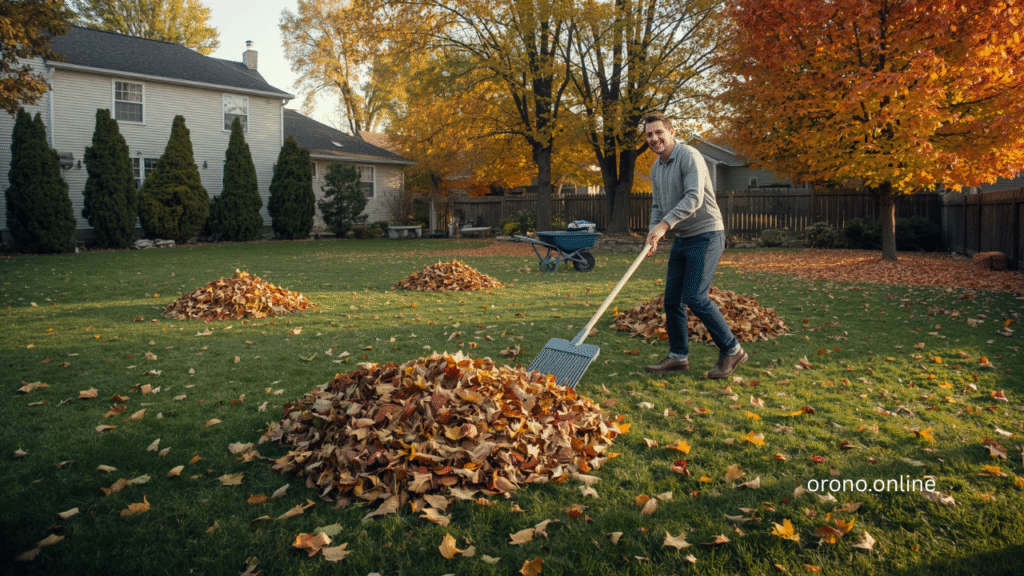
There is a particular moment every Orono homeowner recognizes. The weekend project is finally done. The overgrown hedge has been cut back, the storm-damaged branches have been removed, the fall leaves have been raked into satisfying piles, and the yard looks exactly the way you pictured it when you started. Then you look at the accumulated pile of Orono yard waste sitting at the edge of the driveway and realize that the project is not quite finished yet.
What happens to that pile matters more than most homeowners initially realize. Orono yard waste — the leaves, grass clippings, branches, brush, and organic garden material that accumulates from regular property maintenance throughout the season — is not just a disposal inconvenience. It is an environmental responsibility, a community concern, and an opportunity to contribute to the natural health of a community whose identity is deeply connected to the beautiful Lake Minnetonka landscape that surrounds it.
Orono is not a community where cutting corners on environmental responsibility goes unnoticed or without consequence. The proximity of virtually every Orono property to the Lake Minnetonka watershed means that how residents manage Orono yard waste directly affects the water quality, ecological health, and natural beauty of the lake that defines community character and contributes substantially to property values throughout the area.
The good news is that responsible Orono yard waste management is not difficult, not expensive, and not time-consuming when you understand the options available and the resources the City of Orono has put in place specifically to help residents handle their yard waste properly. This complete guide covers the 15 most amazing and practical ways to dispose of Orono yard waste this season — options that range from the most convenient municipal services to creative on-site solutions that turn yard waste into a genuine garden resource.
Orono Yard Waste at a Glance
| Detail | Information |
|---|---|
| Location | City of Orono, Minnesota |
| Primary Disposal Option | Orono Brush Site |
| Curbside Collection | Check City of Orono for Current Schedule |
| Composting | Encouraged for On-Site Management |
| Accepted Materials | Leaves, Grass, Brush, Branches, Garden Waste |
| Not Accepted in Trash | Organic Yard Waste Generally Not in Landfill |
| Environmental Impact | Phosphorus Runoff Risk if Mismanaged |
| Best Resource | City of Orono Official Website |
| Contact | City of Orono Public Works Department |
| Seasonal Variation | Options Vary by Season and Weather |
1. Use the Orono Brush Site for Large Volume Disposal
The most reliable and convenient option for disposing of significant volumes of Orono yard waste is the Orono Brush Site — the city-maintained facility specifically designed for organic yard waste disposal by Orono residents.
The Orono Brush Site accepts brush, branches, leaves, grass clippings, and general organic yard waste from qualified Orono residents throughout its operating season. For homeowners dealing with post-storm cleanup, major pruning projects, or the accumulated Orono yard waste of an entire season, the facility provides a straightforward solution that no other option matches for volume and convenience.
Checking current hours, eligibility requirements, and accepted materials on the City of Orono official website before visiting ensures your trip is productive and your load meets current facility guidelines. The Orono Brush Site is the anchor of responsible Orono yard waste management for most residents throughout the season.
2. Take Advantage of Seasonal Curbside Collection
The City of Orono periodically offers curbside collection programs for Orono yard waste during peak generation seasons — typically fall leaf collection and spring cleanup periods when the volume of organic material needing disposal is greatest across the community simultaneously.
Curbside Orono yard waste collection provides the maximum convenience option — materials are prepared at the curb according to city guidelines and collected without residents needing to transport loads to any facility. For residents without truck or trailer access, or those with mobility limitations that make facility trips difficult, curbside collection is an essential program.
Checking the City of Orono official website and public works department announcements for current curbside Orono yard waste collection schedules ensures residents know when service is available and how to prepare their materials for collection. Missing a scheduled collection window means waiting for the next opportunity, which can leave materials sitting longer than ideal.
3. Start a Backyard Compost System
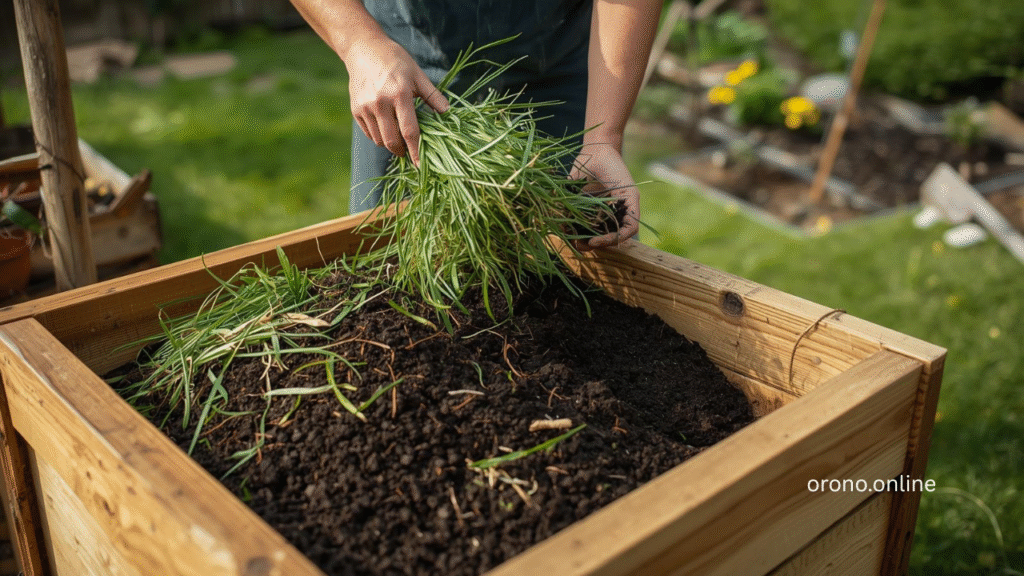
One of the most environmentally satisfying and genuinely useful approaches to managing Orono yard waste is converting it into high-quality compost through a backyard composting system that turns waste into a valuable garden resource.
Backyard composting accepts most categories of Orono yard waste including leaves, grass clippings, garden trimmings, and small amounts of woody material broken into small pieces. Combined with appropriate moisture, occasional turning, and the natural biological processes that decompose organic material, these inputs transform into rich compost that improves soil structure, feeds plants, and reduces the need for purchased fertilizers and soil amendments.
The investment required to start a backyard compost system is minimal — a simple bin or designated area, some basic understanding of the compost process, and the consistency to add materials and manage the pile through the season. The return on that investment — free, high-quality compost for garden and landscape use — makes backyard composting one of the most cost-effective Orono yard waste management approaches available.
4. Use Grass Cycling to Eliminate Lawn Clipping Disposal
Grass clippings represent one of the largest and most frequent categories of Orono yard waste generated by most homeowners throughout the growing season. Grass cycling — the practice of leaving clippings on the lawn after mowing rather than collecting them — eliminates this waste stream entirely while actually benefiting the lawn.
Contrary to the persistent myth that lawn clippings cause thatch buildup, properly managed grass cycling actually improves lawn health by returning nitrogen, moisture, and organic matter to the soil with each mowing. Clippings from a healthy lawn decompose rapidly and contribute to the organic content and microbial activity that makes soil productive.
Converting to grass cycling requires nothing more than a change in mowing practice — most standard mowers handle it effectively without modification, and mulching mower blades that cut clippings finely can improve results. Eliminating grass clipping collection and disposal from your regular lawn maintenance routine is one of the simplest and most impactful Orono yard waste reductions available.
5. Mulch Leaves In Place With Your Lawn Mower
Fall leaf management represents one of the most significant Orono yard waste challenges for homeowners with mature trees — a category that includes a substantial proportion of Orono properties given the beautiful tree canopy that defines the community’s residential neighborhoods.
Mulching leaves in place with a lawn mower — running over fallen leaves to shred them finely and allow them to settle into the turf rather than collecting and hauling them away — is one of the most research-supported Orono yard waste management practices available. University of Minnesota extension research consistently demonstrates that mulched leaves benefit lawn health rather than harming it, improving soil organic matter and suppressing weeds over time.
A standard mower handles moderate leaf coverage effectively. Heavier leaf falls may require multiple passes or a dedicated mulching blade. The result is a clean-looking lawn with no Orono yard waste to haul and genuine long-term soil benefit from the organic material that stays on site.
6. Create Mulch From Woody Yard Waste
Branches, brush, and woody material from pruning and storm cleanup represent another major category of Orono yard waste that can be converted from a disposal problem into a valuable landscape resource through chipping and mulching.
Wood chip mulch from chipped Orono yard waste branches provides the same benefits as purchased mulch — moisture retention, weed suppression, soil temperature moderation, and aesthetic appeal in garden beds and around landscape plantings — without the cost of buying bagged or delivered mulch products.
Small electric chippers suitable for homeowner use are affordable, widely available, and capable of processing the branch sizes that typical Orono yard waste pruning produces. For larger projects involving significant woody material, renting a commercial chipper or hiring a tree service that chips and leaves the material on site converts major Orono yard waste volumes into immediately usable landscape mulch.
7. Create a Brush Pile Wildlife Habitat Feature
Not all Orono yard waste needs to be removed from the property or processed into another material. In appropriate locations — away from structures, in naturalized areas of larger properties, or at the edge of wooded sections — brush piles created from Orono yard waste woody material provide genuine ecological value as wildlife habitat.
Brush piles create shelter and nesting habitat for birds, small mammals, and beneficial insects that contribute to garden health and biodiversity on Orono properties. A well-positioned brush pile in a naturalized corner of a larger Orono property can serve as both a wildlife feature and a temporary holding area for woody Orono yard waste awaiting transport to the Orono Brush Site.
This approach is most appropriate for larger properties with dedicated naturalized areas and less suitable for smaller, more formally maintained lots where brush piles would conflict with aesthetic standards or create concerns about pest habitat close to structures.
8. Sheet Mulch Garden Beds With Leaves
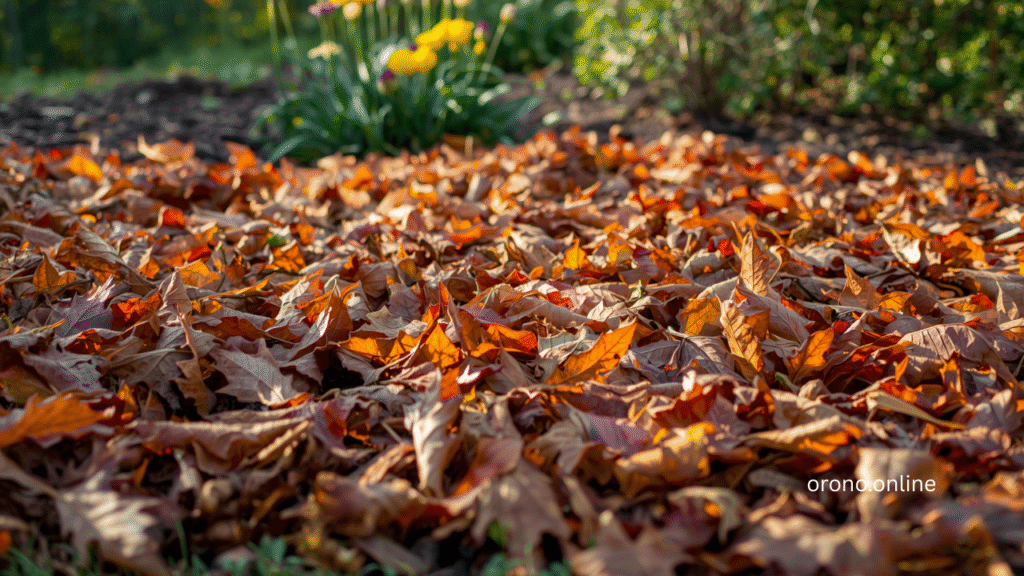
Fall leaves — one of the most abundant forms of seasonal Orono yard waste — can be applied directly to garden beds as a protective winter mulch layer that eliminates disposal needs while providing genuine horticultural benefit.
Applying a layer of leaves several inches deep over garden beds after the growing season protects soil from frost heaving, moderates soil temperature through winter, suppresses early weed emergence in spring, and decomposes slowly through winter and early spring to add organic matter to garden soil. This is exactly the function that expensive bagged mulch products serve — provided free of charge by the trees already on your property.
Leaves from most common Minnesota tree species work well as garden bed mulch. Shredding leaves with a mower before applying them accelerates decomposition and prevents the matting that can occur with whole leaves on some soil types. Converting fall leaves from an Orono yard waste disposal problem into a valuable garden input is one of the most elegant solutions in the entire yard waste management toolkit.
9. Participate in Community Composting Programs
Beyond individual backyard composting, community-scale composting programs provide Orono residents with options for managing Orono yard waste that individual on-site systems may not accommodate effectively — particularly for residents with limited space, large volumes, or yard waste types that backyard systems handle less efficiently.
Hennepin County operates and supports community composting infrastructure that Orono residents may be able to access for certain categories of Orono yard waste beyond what the Orono Brush Site accepts. Checking current Hennepin County compost program availability and eligibility ensures residents are aware of all options available through regional infrastructure.
Community composting programs typically accept a broader range of organic materials than individual backyard systems, process material more rapidly through managed large-scale composting, and return finished compost to participants or the community at low or no cost. Participating in these programs when available extends the sustainability benefit of responsible Orono yard waste management beyond individual properties.
10. Donate Woody Material to Gardeners and Farmers
High-quality woody Orono yard waste — large branches, logs, and substantial timber pieces from tree removal or major pruning — has genuine value to gardeners, farmers, and hobbyists who can use it for purposes that transform waste into resource.
Wood suitable for firewood can be donated or offered through community platforms to neighbors, community members, or local organizations that heat with wood. Large logs and branch sections have value for mushroom cultivation — an increasingly popular activity among Orono area gardeners who inoculate wood with mushroom spawn and harvest edible fungi through the season.
Orchard and garden operations sometimes seek specific wood types for smoking, biochar production, or other specialty uses. Posting available Orono yard waste woody material on community platforms, neighborhood apps, or local social media groups often produces interested takers who eliminate your disposal need while making use of material that would otherwise need to be hauled away.
11. Use Leaves for Vegetable Garden Soil Building
The organic richness of fallen leaves makes them one of the most valuable inputs available for building productive vegetable garden soil — transforming one of the most abundant forms of seasonal Orono yard waste into the foundation of next season’s growing success.
Tilling leaf material directly into vegetable garden beds in fall allows the cold months to begin the decomposition process, with finished organic matter incorporated into the soil structure by the time spring planting season arrives. This approach is particularly effective in newly established garden areas where organic matter content is low and soil structure needs improvement.
Leaves can also be collected and stored in a designated area through winter for use as brown material in compost systems, as mulch applied to garden beds in spring, or as direct soil amendment for specific planting projects. The versatility of leaves as a garden resource makes collecting and keeping them rather than hauling them away one of the most sensible Orono yard waste management decisions a vegetable gardener can make.
12. Hire Professional Landscapers Who Manage Waste Responsibly
For homeowners who prefer to delegate both the yard maintenance work and the Orono yard waste management that it generates, hiring professional landscaping companies that include responsible organic waste disposal as part of their service eliminates the entire disposal burden from the homeowner’s responsibility.
Professional landscapers serving Orono properties should be familiar with local yard waste disposal regulations and options, including the Orono Brush Site eligibility requirements that may apply to loads generated from Orono residential properties. Confirming that a landscaping company you hire manages Orono yard waste through legitimate disposal channels — rather than illegal dumping or improper disposal — is a due diligence step worth taking before engaging any contractor for significant work.
Landscape contracts that specify responsible Orono yard waste disposal as an included service give homeowners confidence that the full project, including cleanup and disposal, will be completed responsibly and in compliance with local requirements.
13. Vermicompost Kitchen and Fine Garden Waste
While larger woody Orono yard waste requires different management approaches, fine organic materials — shredded leaves, spent garden plants, soft plant trimmings, and similar materials — can be managed through vermicomposting systems that produce exceptionally high-quality compost using worms.
Vermicomposting systems suitable for basement, garage, or utility room placement process fine organic material efficiently and quietly, producing worm castings that are among the most nutrient-dense and biologically active soil amendments available. These systems accept the fine end of the Orono yard waste spectrum that traditional composting handles slowly and that may not be appropriate for the Orono Brush Site.
Setting up a vermicomposting system requires modest initial investment and ongoing management that most dedicated gardeners find satisfying rather than burdensome. The premium-quality compost output justifies the effort for any Orono homeowner with significant garden or landscape planting who values soil quality.
14. Plan Landscaping to Reduce Orono Yard Waste Generation
The most sustainable Orono yard waste management strategy is the one that reduces the volume generated in the first place — through thoughtful landscape design choices that minimize maintenance requirements and organic material output.
Native plant landscaping appropriate for the Orono climate and soil conditions typically requires significantly less maintenance pruning, produces less organic waste, and supports local ecology more effectively than high-maintenance exotic plantings that generate substantial ongoing Orono yard waste. Native grasses, flowering perennials, and shrubs selected for appropriate mature size reduce the pruning cycles that produce significant woody waste on many properties.
Ground covers and naturalized planting areas that reduce lawn size decrease the grass clipping volume that mowing generates and eliminate the leaf management challenges that turf areas under heavy tree canopy create. Strategic landscape design choices made today reduce Orono yard waste generation for years or decades into the future.
15. Educate Your Household About Responsible Orono Yard Waste Management
The final and most lasting Orono yard waste management strategy is education — ensuring that every member of your household understands the available options, the environmental importance of responsible disposal, and the simple practices that make good Orono yard waste management a natural part of regular property maintenance rather than a periodic burden.
Children who learn responsible Orono yard waste management as a normal part of household routine develop environmental habits that serve them throughout their lives and that they will eventually transmit to their own households. The education investment made today in teaching the next generation about composting, mulching, and responsible disposal creates environmental stewardship that extends far beyond any individual season or any individual property.
Sharing information about Orono yard waste management options with neighbors, community members, and local networks extends the environmental benefit of individual responsible practices into community-wide patterns that collectively protect the Lake Minnetonka watershed and natural environment that makes Orono the exceptional community it is.
What to Know Before Managing Orono Yard Waste
Best Practices for Every Season
- Check City of Orono website for current Orono Brush Site hours before visiting
- Grass cycle lawn clippings throughout the growing season to eliminate collection
- Mulch fall leaves in place or use them as garden bed protection
- Compost fine organic material on site whenever space and conditions allow
Materials to Keep Out of Trash and Storm Drains
- Never rake leaves or grass clippings into storm drains or waterways
- Do not place yard waste in regular trash unless specifically permitted by current city guidelines
- Keep Orono yard waste out of areas where stormwater runoff will carry it toward Lake Minnetonka
- Remove plastic bags from yard waste before depositing at any composting or disposal facility
LSI Keywords for Orono Yard Waste
| LSI Keyword | Search Intent | Where to Use |
|---|---|---|
| Orono yard waste disposal | Informational | Throughout Article |
| Orono brush site yard waste | Transactional | Brush Site Section |
| City of Orono leaf collection | Informational | Curbside Section |
| Orono composting | Informational | Compost Section |
| Minnesota yard waste management | Informational | Throughout Article |
| Orono organic waste disposal | Informational | Throughout Article |
| Lake Minnetonka yard care | Informational | Water Quality Section |
| Orono grass clipping disposal | Informational | Grass Cycling Section |
| Hennepin County yard waste | Informational | Community Section |
| Orono seasonal cleanup | Informational | Seasonal Section |
| Minnesota leaf disposal | Informational | Leaf Section |
| Orono property maintenance | Informational | Throughout Article |
Conclusion
Orono yard waste management is not a burden — it is an opportunity. An opportunity to maintain a beautiful property, protect the Lake Minnetonka environment that defines community character, participate in the circular resource economy that composting and mulching represent, and demonstrate the kind of environmental stewardship that makes Orono an exceptional community worth protecting.
The 15 amazing ways explored in this guide give every Orono homeowner the complete toolkit for managing Orono yard waste responsibly, efficiently, and in ways that benefit both individual properties and the broader community environment throughout every season.
Start with the Orono Brush Site for large volumes. Add grass cycling and leaf mulching for regular maintenance. Build a compost system for ongoing organic waste. Choose the combination that fits your property, your schedule, and your commitment to keeping Orono beautiful.
The result will be visible in your yard, measurable in your costs, and meaningful for the community and the lake you share with every other Orono resident.
Frequently Asked Questions About Orono Yard Waste
Q1. Where can I dispose of Orono yard waste?
The primary disposal option is the Orono Brush Site maintained by the City of Orono for residents. Curbside collection programs operate seasonally. Check the City of Orono website for current options.
Q2. Can I put Orono yard waste in my regular trash?
Organic yard waste is generally not accepted in regular household trash in Orono. Use the Orono Brush Site, curbside collection when available, or on-site composting for proper disposal.
Q3. What materials are accepted as Orono yard waste at the brush site?
Accepted materials include brush, branches, leaves, grass clippings, and general organic garden waste. Household trash, construction debris, and treated wood are not accepted.
Q4. How do I reduce the amount of Orono yard waste I generate?
Grass cycling, leaf mulching in place, native plant landscaping, and right-sized landscape plants all reduce ongoing Orono yard waste generation significantly.
Q5. Can I compost Orono yard waste at home?
Yes. Backyard composting of leaves, grass clippings, and garden waste is encouraged and provides valuable compost for garden and landscape use.
Q6. When is curbside Orono yard waste collection available?
Curbside collection operates seasonally, typically during fall leaf collection and spring cleanup periods. Check the City of Orono official website for current schedules.
Q7. Why is responsible Orono yard waste management important for Lake Minnetonka?
Improperly managed yard waste contributes phosphorus to stormwater runoff that reaches Lake Minnetonka, fueling algal growth and degrading water quality and ecological health.
Q8. Can grass clippings be left on the lawn as Orono yard waste management?
Yes. Grass cycling — leaving clippings on the lawn after mowing — is one of the most effective and beneficial Orono yard waste management practices, improving lawn health while eliminating disposal needs.
Q9. What should I do with large branches from storm damage?
Large branch volumes from storm damage can be taken to the Orono Brush Site, chipped into mulch on site, offered to community members for firewood, or managed through professional landscaping services.
Q10. How do I find out about current Orono yard waste programs?
Check the City of Orono official website regularly and contact the Orono Public Works department for current program information, schedules, and any changes to available services.